Our Labyrinth 2026 review examines why this high-budget remake is being called a patience-testing bore by critics. Explore the pacing and script issues here.
The recent reimagining of the cult classic film Labyrinth has reportedly arrived to a tepid critical reception, with early reviews suggesting the production may struggle to live up to the standard set by the original story. Reviewers from outlets such as But Why Tho? have characterized the film as a difficult watch, citing pacing issues and a script that appears to test the viewer’s endurance. Directed by a new creative team tasked with modernizing the fantasy world, the project reportedly fails to capture the energy of its predecessor, resulting in what some describe as a sluggish and emotionally distant experience.
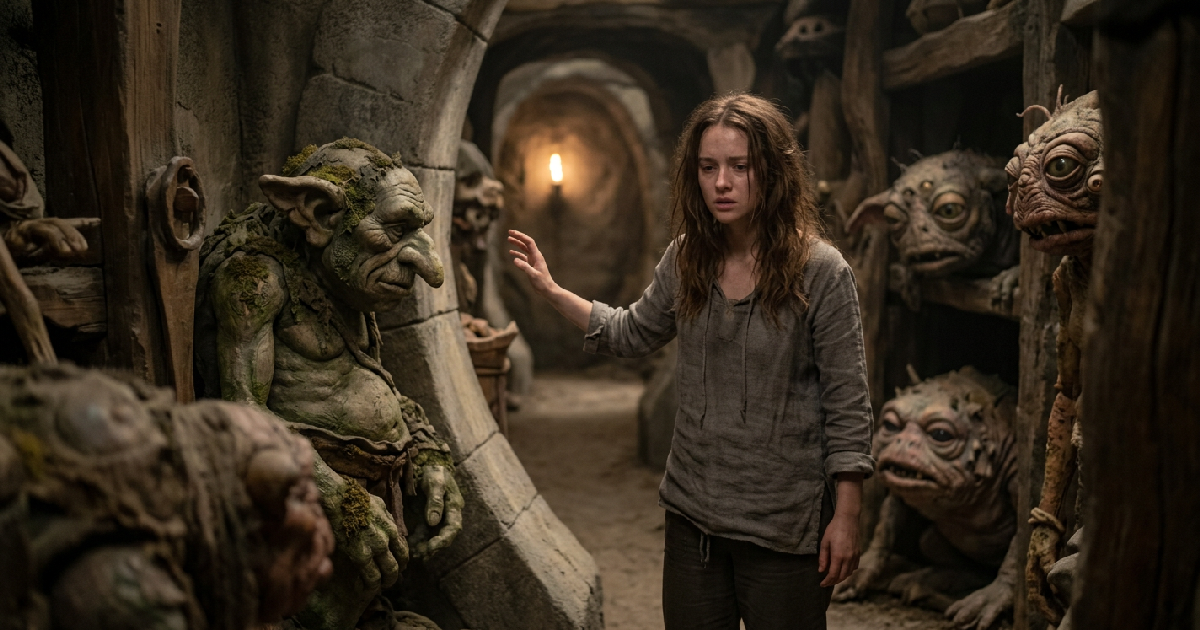
Critics have noted that the film features a significantly expanded runtime that focuses heavily on visual density and digital world-building. While observers acknowledge that the technical integration of practical puppetry and modern digital effects is apparent, these advancements reportedly don’t make up for a narrative that feels stretched thin. Early feedback indicates the story attempts to expand the lore of the maze and its ruler, but these additions are blamed for creating a viewing experience that feels repetitive rather than engaging.
For those familiar with the source material, this new version apparently lacks the stakes necessary to keep audiences invested throughout the middle of the film. Reports suggest the protagonist’s journey through the titular maze lacks the urgent, driving force that defined the earlier iteration of the story. Rather than a brisk adventure, the film reportedly leans into atmospheric dread and long sequences of dialogue that have so far failed to connect with the target audience.
Evaluating Character Dynamics and Visual Execution
One of the central complaints emerging from early screenings involves the reimagined characters and their lack of chemistry. While the original story was buoyed by the interactions between the lead and the various creatures in the maze, this latest version reportedly features a more stoic protagonist. This shift in tone makes the emotional stakes feel disconnected from the central plot, leaving critics frustrated with the lack of character development.
Furthermore, the decision to pivot toward darker and more mature themes may have cost the production its broad appeal. By moving away from the whimsical elements that allowed the story to endure for several decades, the film risks alienating families. The visual effects have also proven to be a point of contention; while some film industry reports praise the high-end rendering, others note a lack of warmth in the creature designs. This sterile technical focus mirrors challenges in other sectors, where complex systems like top CCMS software solutions must balance sophisticated technical documentation features with user accessibility to be effective.
The most significant hurdle identified by critics is the film’s narrative structure. The production reportedly dedicates a large amount of time to subplots involving secondary characters that do not appear to serve the main resolution. This creative choice is frequently cited as the reason for the film’s perceived lack of direction, as audiences are forced to navigate a story that feels as aimless as the labyrinth itself.
Broader Market Trends and the Role of Experience
The initial response to this remake reflects a growing fatigue among audiences regarding long-duration blockbusters that prioritize visual “experience” over concise storytelling. In a market where viewers are increasingly sensitive to runtime, a fantasy film that fails to justify its length faces a difficult path to success. This demand for efficiency and clarity is a trend seen across many digital industries, ranging from how users interact with Wikimedia infrastructure updates to how they consume entertainment.
Analysts also suggest that the film’s performance may be impacted by a major departure from the original’s identity: the removal of prominent musical elements. By favoring a traditional orchestral score over the flamboyant musical numbers that fans often associate with the franchise, the producers have fundamentally changed the tone of the property. This transition into “serious” high-fantasy territory is reportedly one of the primary reasons observers find the movie to be a chore rather than a delight.
Future Outlook for the Fantasy Franchise
Despite the lukewarm initial reception, the film is expected to spark a wider conversation about the viability of remaking late-20th-century classics. The disappointment expressed by critics suggest that high-budget visual mastery is rarely a substitute for a focused and compelling script. As the film reaches more viewers, the debate will likely center on whether the brand can remain relevant or if this iteration will be viewed as a missed opportunity to evolve the story for modern times.
Some niche critics have argued that the film’s slow pacing is a deliberate stylistic choice intended to mirror the feeling of being genuinely lost in a maze. However, for most mainstream reviewers, this approach has backfired, creating a production that feels more like an endurance test than an escape. Just as ETH traders wait for a lead before making moves in a cooling market, the audience for this film is left waiting for a narrative payoff that many feel never arrives.
As the current year continues to be filled with legacy sequels and reboots, this project serves as a clear cautionary tale for studios. Without the charm and narrative brevity of the source material, even the most visually impressive environments can become spaces that audiences simply want to leave. Whether future projects will learn from these pacing issues remains to be seen, but the current consensus suggests that visual flair alone cannot save a stagnant script.

 By Michael Fawn