
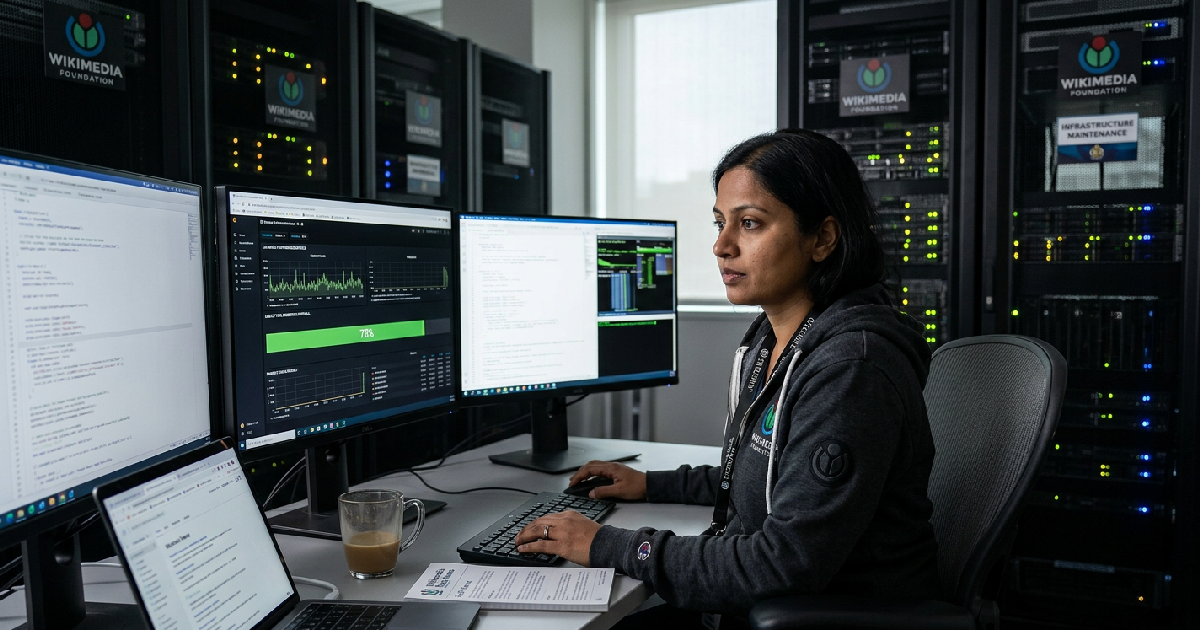

The Wikimedia Foundation (WMF) has reportedly published a new edition of its technical bulletin, which details a series of infrastructure updates and software shifts designed to improve the performance of Wikipedia and its sister projects. This latest communication indicates that the Wikimedia engineering teams are prioritizing database stability and the migration of legacy tools to more sustainable platforms. According to reports, the upcoming changes will affect how editors interact with the platform’s interface and how developers manage bot operations across the global network.
The technical roadmap outlined in this update highlights a push toward modernizing underlying software libraries. These updates are intended to reduce latency for high-traffic regions and ensure that the various Wikimedia sites remain resilient against increasing load demands. For daily users, these changes typically manifest as faster page loads and more responsive editing tools, though the backend adjustments often require careful coordination between staff and volunteer developers.
One of the primary concerns addressed in the latest update is the maintenance of secure connections for contributors in regions with restricted internet access. As global digital policies shift, the foundation is reportedly focusing on hardening its network against potential disruptions. This focus on security is a common thread throughout the tech industry, particularly as security firms launch quantum-proof wallets and other advanced protections to stay ahead of sophisticated digital threats.
Planned Maintenance and Software Migrations
The engineering team has reportedly scheduled windows for database maintenance that may lead to brief periods of read-only access for some language versions of Wikipedia. These migrations are part of an ongoing effort to phase out hardware that may no longer meet the project’s sustainability goals. Engineers indicate that the transition to more energy-efficient server clusters is progressing, which is expected to lower the overall operational costs of the foundation’s data centers.
Another highlight in this technical update involves the deprecation of certain legacy Application Programming Interfaces (APIs). While these older tools have served the community for a long period, they are reportedly being replaced by frameworks that support modern authentication standards. This move follows a broader trend in the tech sector toward automation and efficiency, much like how Coinbase introduces two AI agents to streamline corporate workflows and internal communication.
Improving Mobile Editing Experiences
With a large portion of Wikimedia traffic now originating from mobile devices, the tech team is rolling out enhancements to the mobile visual editor. The latest updates aim to fix recurring bugs in non-Latin scripts, which have historically faced challenges on smaller screens. By refining the touch interface, the foundation hopes to encourage more participation from “mobile-first” regions in the Global South.
These mobile-centric updates also include better integration for media uploads. The goal is to make it easier for users to contribute images directly to Wikimedia Commons without needing a desktop computer. This shift reflects the changing habits of digital creators who increasingly rely on smartphones for every stage of content production and distribution.
Community Feedback and Interface Adjustments
The update also addresses community-driven requests for changes to the Vector 2022 skin. While the skin is now the default for most users, some veteran editors have requested more granular control over sidebars and font sizing. Technical teams are reportedly testing new configuration options that allow users to customize their view without breaking the consistency of the site’s layout.
And because the Wikimedia ecosystem relies heavily on volunteer-run bots, the update provides new documentation for those maintaining automated scripts. The new guidelines are intended to prevent bot collisions and ensure that automated tasks do not inadvertently consume excessive server resources during peak traffic hours.
As the foundation moves forward with these technical milestones, the focus remains on balancing innovation with the core mission of delivering free knowledge. While these backend updates rarely make headlines, they are the essential infrastructure that prevents issues like “link rot” and ensures the world’s largest encyclopedia remains accessible. For those interested in how these shifts relate to broader digital trends, understanding how to stay safe from hacking and scams is increasingly relevant as more of our global knowledge repository moves onto shared digital frameworks.
Looking ahead, future reports are expected to focus on the integration of machine learning tools to assist in vandalism detection. While the foundation has been cautious about fully automating the editorial process, artificial intelligence is expected to play a supporting role in helping human moderators identify potential errors more quickly in the coming months.