
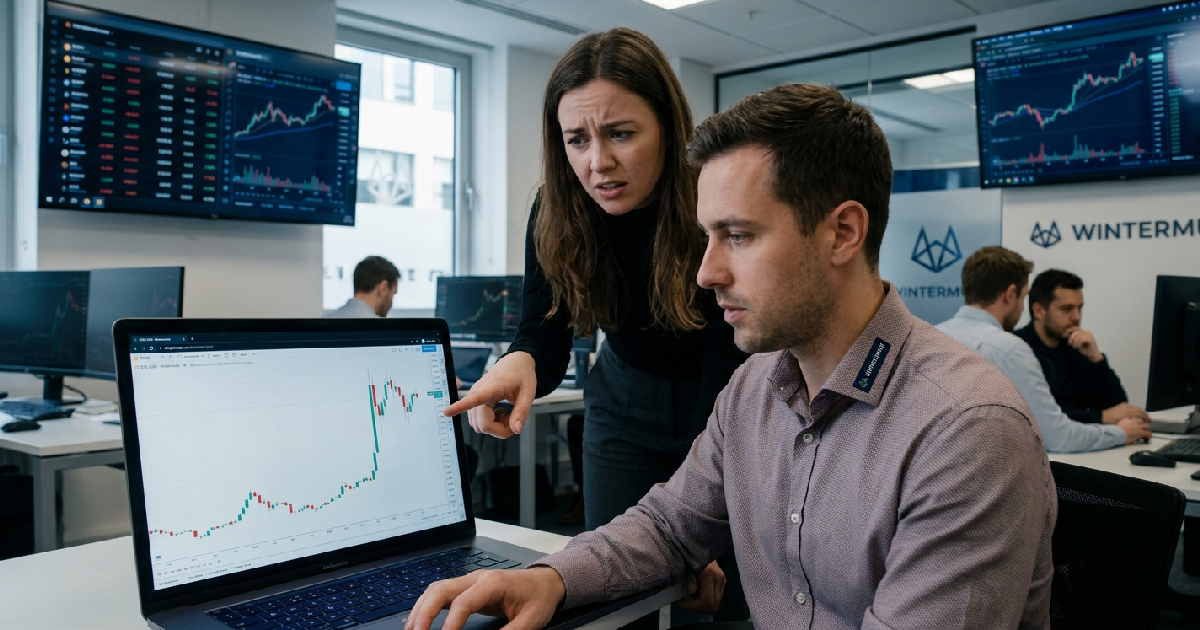

Wintermute, a prominent algorithmic trading firm in the digital asset space, has issued an alert to investors regarding the recent volatility in the cryptocurrency market. Analysts at the firm suggest that the recent climb in Bitcoin prices is primarily the result of a short squeeze rather than a shift toward long-term, sustainable organic demand. This assessment comes at a time when market participants are debating whether the digital currency has entered a new phase of growth or is merely reacting to temporary leverage dynamics.
A short squeeze occurs when investors who have bet against an asset’s price are forced to buy it back at higher levels to cover their positions, further accelerating an upward price movement. Wintermute’s desk noted that while the headline price might suggest a bullish trend, the underlying data indicates that the move was fueled by the liquidation of bearish bets. This technical phenomenon often creates a “trap” for retail investors who may mistake the sudden spike for fundamental institutional adoption or a macroeconomic pivot.
The firm’s warning serves as a sobering counter-narrative to the prevailing optimism found in many trading circles. Market sentiment frequently shifts based on these rapid price adjustments, but without a corresponding increase in spot buying or long-term hodling behavior, these gains are often surrendered just as quickly as they were achieved. The current environment mirrors previous cycles where ETH traders wait for lead signals while the broader derivatives market experiences cooling periods before a decisive move.
Mechanical Gains Versus Fundamental Momentum
The distinction between mechanical price action and sustainable growth is critical for risk management in the current climate. According to Wintermute, the lack of follow-through from spot markets suggests that professional buyers haven’t yet committed to these higher price levels. Instead, the price action looks like a typical “stop-run,” where the market hunts for liquidity by pushing through tiers of sell orders, triggering automated buy-backs from short-sellers.
This type of volatility is often a precursor to a period of consolidation or a sharp reversal. When price increases are driven by liquidations, the market becomes top-heavy. Once the short positions are finished covering, the immediate buying pressure vanishes. If new buyers don’t step in to support the new floor, the price naturally drifts lower. This pattern has been observed recently as Bitcoin faces technical resistance at key psychological levels, preventing a clean breakout into a confirmed bull market.
The Role of Leverage in Today’s Market
High-leverage environments traditionally lead to these “forced” price movements. In the past few weeks, open interest in the futures market has fluctuated wildly, indicating that many speculators are over-extended. Wintermute’s analysis points to a “cleansing” of the market—a necessary but painful process where excess leverage is flushed out through these volatile swings. For the average investor, this means that the current price may not reflect the actual value perceived by large-scale institutions.
While some hope that new regulatory clarity might provide a backstop for prices, the transition remains slow. Even as Senate Banking Committee stablecoin bill discussions continue in the background, the immediate impact on Bitcoin’s liquidity remains limited. The market is still largely operating on internal crypto-native dynamics rather than fresh capital injections from global finance players.
Future Outlook for Digital Asset Stability
What does this mean for the coming months? Wintermute suggests that investors look for signs of “high-quality” buying. This includes consistent inflows into exchange-traded funds (ETFs) or a steady rise in the number of addresses holding significant amounts of Bitcoin over the long term. These indicators typically signal that smart money is accumulating, which provides a far more stable foundation for a rally than a technical squeeze.
Until these fundamental signs appear, the market is likely to remain in a choppy, range-bound state. Traders are advised to exercise caution and avoid “FOMO”—the fear of missing out—during sudden green candles that lack volume support. The current consensus among veteran analysts is that the market needs to see a period of low-volatility accumulation before a truly sustainable bull run can take hold. For now, the “alarm” from Wintermute serves as a reminder that in crypto, not all rallies are created equal, and many are designed to fail as soon as the forced buying ends.