
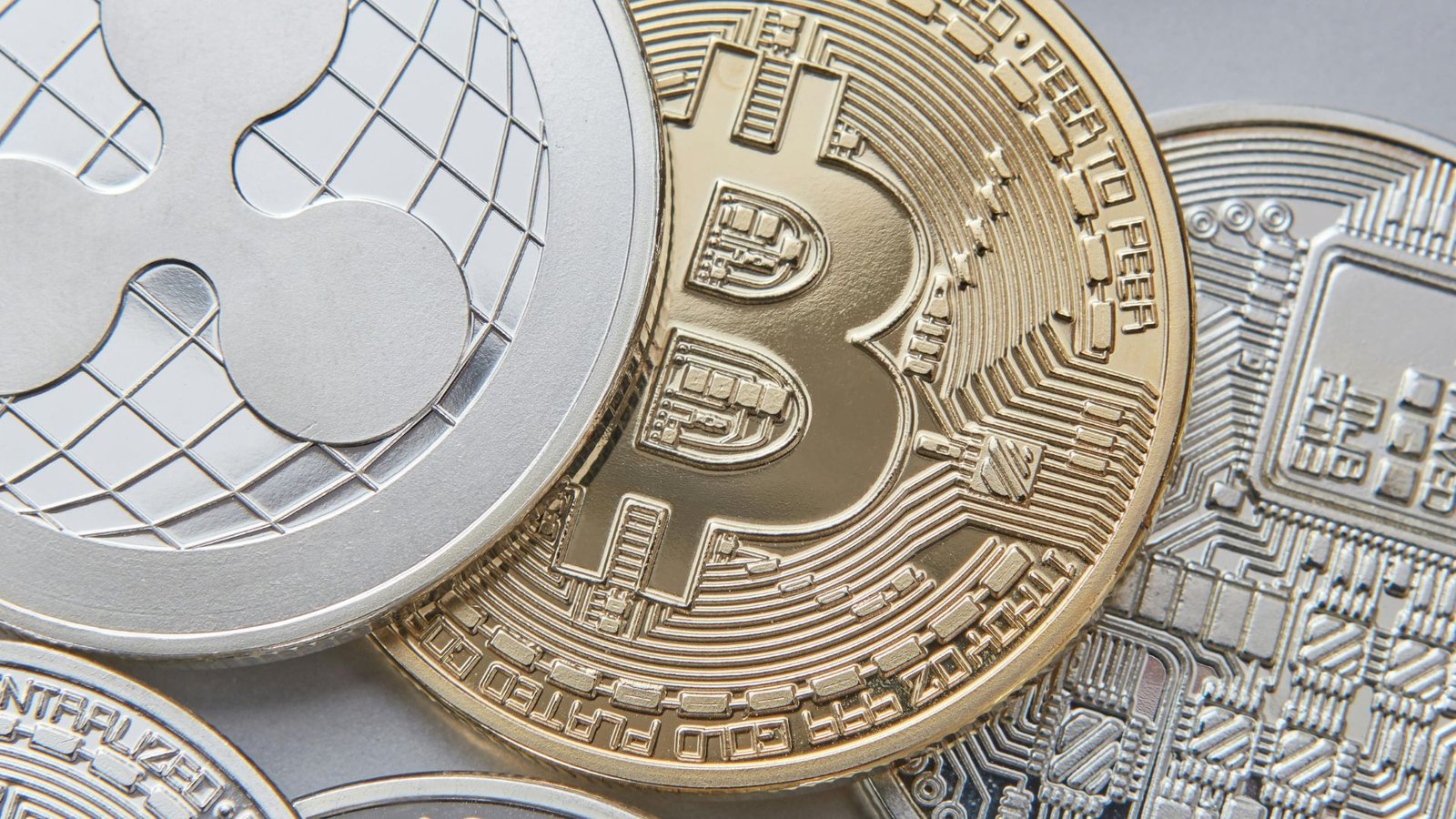

The conversation around digital assets has officially moved from niche internet forums to the mahogany boardrooms of the world’s largest asset managers. While casual observers still focus on the daily “green or red” candles, the real story of the future of cryptocurrency is being written in the silent, invisible infrastructure currently being built to sustain the 21st-century economy. We are transitioning from an era of pure speculation into a period of technological maturity.
What was once dismissed as “magic internet money” is revealing itself as a fundamental trust layer for the global financial system. This shift requires a new perspective, one that balances the excitement of innovation with the analytical rigor needed to protect and grow capital. To understand where we are going, we must look past the volatility and focus on how blockchain technology is fundamentally changing how value moves across the globe.
Beyond Digital Gold: The Maturation of an Ecosystem
To grasp the future of cryptocurrency, one must first realize that digital coins are simply the first “app” of a much larger invention: the blockchain. Think of blockchain as a digital ledger that is permanent, transparent, and—most importantly—devoid of a central master. It allows for a world where trust is decentralized. You don’t need to trust a middleman; you trust the math.
This evolution is leading us toward Web3, a vision of the internet where users own their data and assets rather than “renting” them from big tech corporations. In this new landscape, value flows as freely as information does today. As we move further into 2026, the utility of this technology is expanding into “smart contracts”, self-executing code that triggers actions automatically when conditions are met. This isn’t just about trading; it’s about automating the global economy.
3 Key Trends Defining the Future of Cryptocurrency
The market is in constant flux, but three major development fronts stand out for their ability to generate real, sustainable value. These are the pillars that institutional “smart money” is currently watching.
1. Real World Asset (RWA) Tokenization
Tokenization is the bridge between traditional finance and the digital world. It involves creating a digital representation (a token) of a physical asset—like real estate, gold bars, or US Treasury bills—on a blockchain. The efficiency gains are massive. Instead of waiting weeks for paperwork to clear, you can trade fractions of a Manhattan office building or a bond fund instantly on platforms like Coinbase or Kraken. This brings liquidity to “trapped” markets and lowers costs for everyone involved.
2. Institutional-Grade Decentralized Finance (DeFi)
Decentralized Finance, or DeFi, allows for banking services like lending and borrowing without a traditional bank in the middle. While the early days were a “wild west,” the future of cryptocurrency in this sector is all about security and user experience. We are seeing a shift where the complex code is hidden behind simple, intuitive interfaces. In 2026, you might use a DeFi protocol for a loan without even knowing there is a blockchain running in the background, protected by constant audits and rigorous risk-management algorithms.
3. Interoperability and the “Internet of Blockchains”
Currently, many blockchains (like Bitcoin, Ethereum, and Solana) operate like “islands” that don’t easily talk to each other. Interoperability is the technology that builds the bridges. Combined with “Layer 2” solutions—auxiliary networks that make transactions faster and cheaper—this creates a seamless global network. If the main blockchain is a crowded, expensive highway, Layer 2s are the express lanes that allow thousands of transactions to happen for fractions of a cent, ensuring the system can actually scale to billions of users.
The Regulatory Shift: Safety Net or Innovation Killer?
A major theme for the future of cryptocurrency is the arrival of clear “rules of the road.” In the past, regulation was often feared as a barrier to innovation. However, 2026 has proven that the opposite is true. Clear frameworks in the US and Europe (such as the MiCA guidelines) have acted as an invitation for “patient capital”, the massive funds held by insurance companies and pension plans that require legal certainty before they can invest.
The Compliance Insight: We are moving away from the era of “regulatory arbitrage,” where companies hopped from country to country to avoid laws. Today, the most successful projects are seeking out high-standard jurisdictions. Regulatory clarity filters out fraudulent schemes and protects consumers, creating a healthier environment for long-term wealth building.
Is Crypto a Good Long-Term Investment?
From a professional wealth management perspective, digital assets are no longer a “maybe”—they are a strategic asset class. However, they should be treated with the same rigor as any high-tech investment.
- The Pros: Unlike traditional currencies, assets like Bitcoin have a “programmed scarcity.” There will never be more than 21 million. This protects against the inflation of fiat currencies. Furthermore, the ability to generate yield through “staking” (supporting network security in exchange for rewards) provides a new form of digital cash flow.
- The Cons: Volatility is still part of the package. Investors must have the discipline to weather 20% or 30% price swings. There are also cyber risks; the safety of your capital depends on your responsibility in choosing secure custodians or managing your own private keys.
For most beginners, the secret isn’t finding the next “1,000x” coin. It’s about understanding which networks are actually being used by corporations and governments. A prudent allocation, often cited by professionals as being between 1% to 5% of a total portfolio, allows you to capture the upside of this technological revolution without risking your overall financial stability.
Conclusion
The future of cryptocurrency is inextricably linked to the digitization of everything we value. Soon, the line between “traditional finance” and “crypto” will vanish, as the entire banking infrastructure moves onto blockchains to save costs and increase transparency.
For the investor, the greatest tool is not a crystal ball, but education. The market will reward those who have the patience to ignore speculative noise and the clarity to see where real utility is being generated. We are still in the early chapters of this integration. Prepare for a world where digital assets are as common as bank accounts, but with one fundamental difference: for the first time in history, you have the potential for total control over your wealth on a global scale.
This content is for informational purposes only and does not constitute financial advice.