
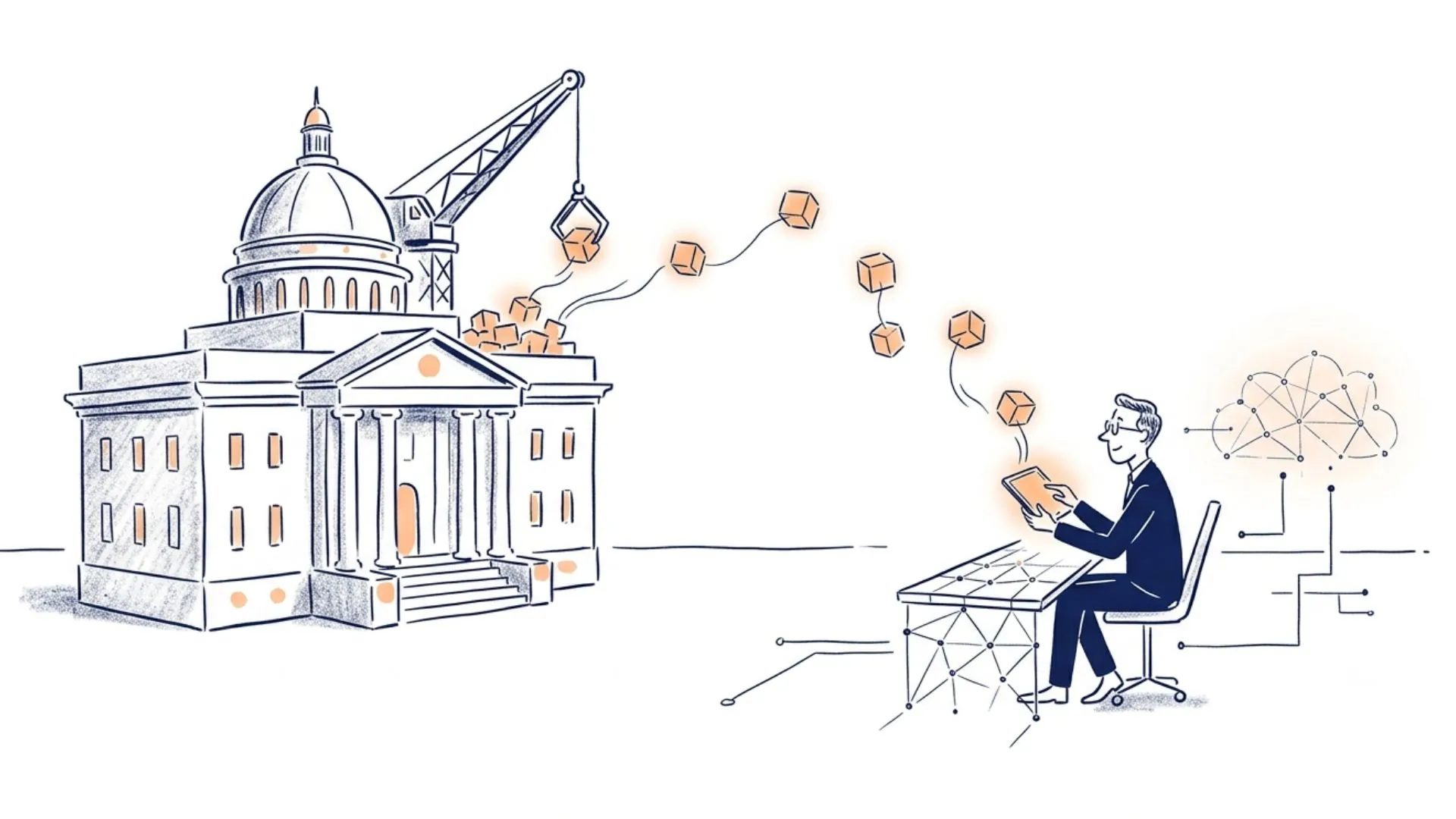

When you ask what tokenized real-world assets are, you are looking directly at the biggest narrative shift in modern finance. For years, the crypto conversation revolved almost entirely around native digital tokens created out of thin air.
But the tide has turned. Today, the real revolution isn’t about inventing new money; it is about bringing the physical world onto the blockchain, merging traditional stability with decentralized technology.
Beyond Bitcoin: The Beginner’s Guide to the 8 Types of Crypto Tokens
What Exactly Are Real-World Assets (RWAs) in Crypto?
In simple terms, a real-world asset in the crypto space is a digital mirror of a physical or traditional financial asset. This transformative process is known as the tokenization of assets.
Instead of just holding a cryptocurrency like Bitcoin, you hold a digital token that represents a direct legal claim on something tangible. This could be a commercial building in Manhattan, a vault of gold in Switzerland, or US Treasury bills.
The goal is not to replace these traditional assets but to upgrade the aging plumbing of global finance. By moving them on-chain, we strip away layers of slow, expensive middlemen and open up borderless access.
How Asset Tokenization Works: The Bridge Between Two Worlds
The mechanics of tokenization might sound like science fiction, but the process follows a very logical, structured path to connect traditional markets to the blockchain.
1. The Physical Asset
Everything begins off-chain. Before any crypto magic happens, there is a real asset with intrinsic value, like a high-yield corporate bond or a lucrative piece of real estate.
This asset continues to exist in the physical or traditional financial world. It generates yield, accrues value, and functions exactly as it always has, but it is now being prepped for a digital upgrade.
2. Legal Wrappers and Institutional Custody
A token is completely worthless without a bulletproof legal and security bridge. This is where institutional crypto custody comes in to protect the underlying physical asset and validate the token’s worth.
To secure the digital side, top-tier institutions don’t just use simple passwords. They rely on multi-signature (multisig) wallets. Think of multisig custody like the board of directors in the show Succession—no single individual has the absolute power to move the company’s assets without a strict consensus.
This setup eliminates single points of failure. By requiring multiple approvals for any transaction, it ensures that even if one executive’s access is compromised, the tokenized real-world assets remain completely untouchable.
3. Minting on the Blockchain
Once the legal trust and multisig custody protocols are locked down, the actual tokens are minted using smart contracts. These are automated, self-executing programs that live on a blockchain.
Each newly minted token represents a specific fraction of the original asset. It permanently records ownership on an unchangeable public ledger, providing total transparency and removing the need for manual record-keeping.
4. Global Trading
Finally, these tokens can be traded on global exchanges like Coinbase, Kraken, or decentralized finance (DeFi) protocols. Unlike traditional stock markets, this ecosystem never sleeps.
Transactions that once took days of banking bureaucracy and hefty settlement fees can now be completed in seconds, completely reshaping how global liquidity flows.
The Most Popular Types of Crypto RWAs
The universe of tokenized real-world assets is expanding rapidly. However, a few key categories are currently leading the institutional charge and capturing major market share.
- Stablecoins: These were the first successful RWAs. Tokens like USDC represent fiat currency (usually the US Dollar) held in institutional reserves, functioning as the backbone of daily crypto trading.
- Government Bonds & Treasuries: Institutional investors are flocking to tokenized US Treasuries. They bring traditional, predictable yield into the crypto ecosystem, offering a safe haven from wild market swings.
- Real Estate: Through fractional ownership, a $10 million apartment building can be split into thousands of affordable tokens. This dramatically lowers the barrier to entry for retail investors.
- Commodities & Equities: You can now buy tokens fully backed by physical gold stored in audited vaults, or trade tokenized versions of traditional stocks outside of standard market hours.
Are Tokenized Assets Safe? Understanding the Risks
It is crucial to approach crypto RWA investing with a clear, analytical head. The blockchain can make trading faster and more transparent, but it does not magically erase the inherent risks of the real world.
Custody Risk: If the physical vault guarding the gold gets compromised, or the legal entity holding the real estate goes bankrupt, your digital token will likely lose its value. You are trusting the custodian.
Smart Contract Vulnerabilities: While blockchains themselves are highly secure, the code governing the tokens is written by humans. A bug or flaw in the smart contract could potentially be exploited by hackers.
Regulatory Uncertainty: Global financial laws are still actively adapting to the tokenization of assets. Sudden changes in jurisdiction rules could heavily impact how these tokens are traded or legally recognized in the future.
Is Investing in Crypto RWAs Worth It? A Long-Term Perspective
From a wealth management perspective, tokenized real-world assets are not a get-rich-quick scheme. They are a profound, structural upgrade to how value is distributed globally.
They offer incredible, tangible benefits: democratic access to traditionally gated markets, deep on-chain transparency, and near-instant settlement times that traditional banking simply cannot match.
However, in these early stages, some niche tokenized assets might suffer from low liquidity. This means it could be difficult to find a buyer exactly when you want to cash out of a highly specific market.
For the long-term investor, the focus should always be on the quality of the underlying asset and the security of the institutional custody framework, rather than just the novelty of the blockchain technology.
Conclusion
Ultimately, tokenized real-world assets are successfully bridging the historical divide between Wall Street and Web3. They are actively proving that blockchain technology has massive, practical utility well beyond pure speculation.
As the regulatory landscape matures and institutional adoption deepens, asset tokenization will likely become the new standard operating system for global finance.
Just remember: a bad real estate investment doesn’t become a good one just because it was put on a blockchain. Always do your research on the asset itself, verify the custody, and understand the legal framework holding it all together.
The future of cryptocurrency: beyond the hype to real-world utility
This content is for informational purposes only and does not constitute financial advice.