
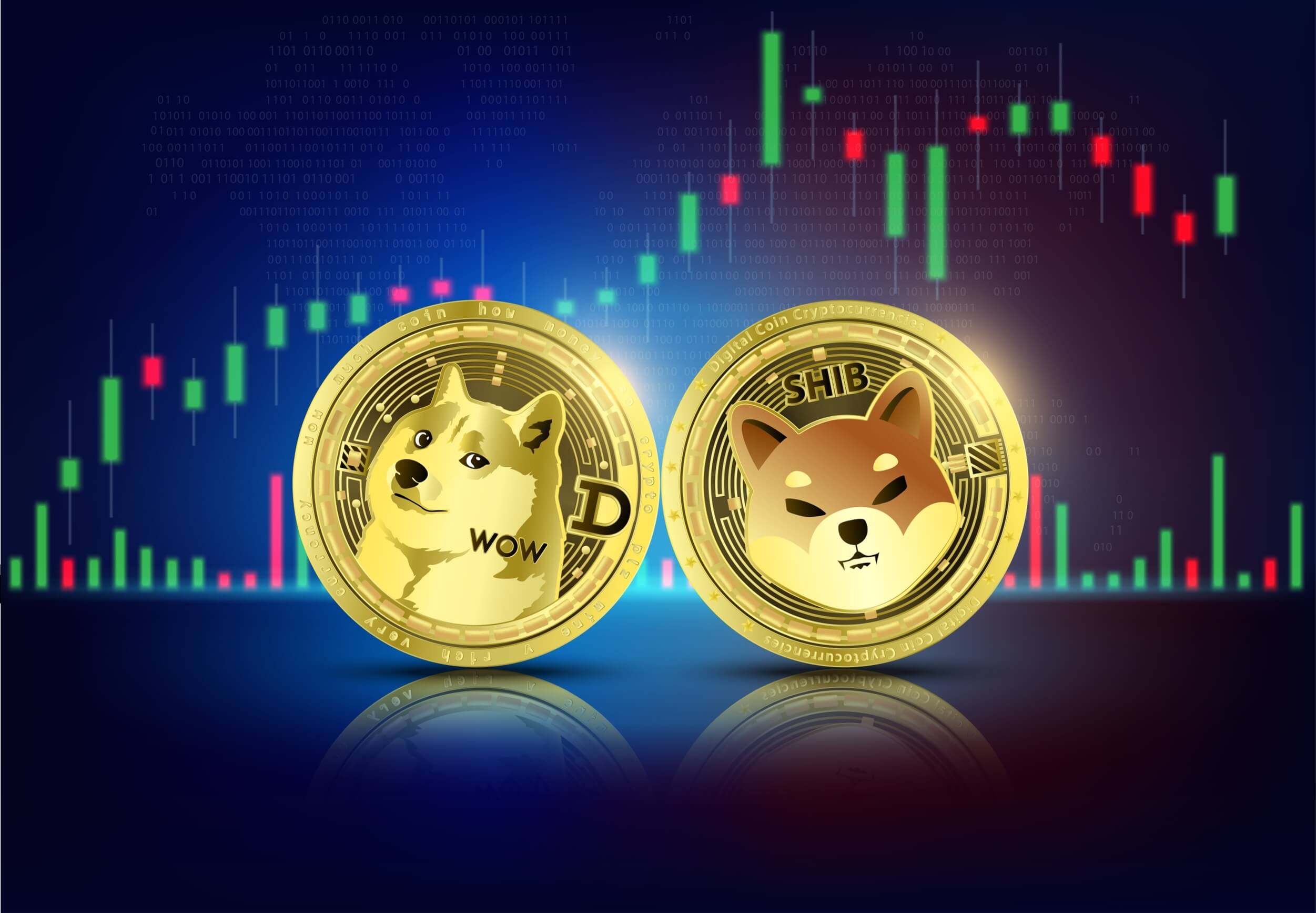

Memecoins have become one of the most fascinating phenomena in the cryptocurrency industry. What started as internet joke-inspired projects has evolved into a market capable of moving billions of dollars and attracting millions of investors worldwide.
In recent years, assets such as Dogecoin, Shiba Inu, and dozens of new tokens launched on platforms like Solana have demonstrated how attention can quickly transform into market value. In many cases, memes, viral videos, and social media trends have influenced prices more than technical fundamentals or technological development.
However, the growth of this model has also raised concerns. As competition for attention intensifies, some marketing strategies are beginning to move beyond simple viral promotion, sparking debates about safety, responsibility, and exploitation within the crypto market.
The Attention Economy Has Become a Financial Asset
Much of the success of memecoins is tied to what is known as the attention economy. Unlike projects focused on blockchain infrastructure, tokenization, or decentralized finance, many memecoins depend primarily on their ability to generate engagement. The more attention a token receives on social media, the greater its trading volume and visibility tend to become.
This dynamic has created an environment where content creators, influencers, and online communities constantly compete for user attention. In some cases, promotional campaigns have offered rewards for participants to complete public challenges, create viral content, or promote specific assets.
The problem is that the search for visibility can create more aggressive incentives. What initially begins as a marketing strategy can evolve into risky behavior, particularly when financial rewards are involved.
In several recent market episodes, participants have engaged in extreme actions to promote memecoins or attract attention to token launches. These incidents have reignited debates about the line between creative marketing and the exploitation of people seeking quick profits.
When Virality Becomes More Important Than the Project
One of the defining characteristics of memecoins is that their market value often depends more on narrative than utility. That does not mean every project lacks substance. Some communities have successfully built meaningful ecosystems around their tokens. However, much of the sector remains heavily dependent on hype cycles.
In this environment, virality becomes the market’s primary fuel. The more extreme the campaign, the greater the chances of generating views, shares, and new buyers. The result is a market where some participants may take disproportionate risks in exchange for relatively small rewards, while investors speculate on the temporary surge in attention surrounding a particular asset.
Additionally, the speed at which new memecoins emerge makes risk assessment more difficult. Many tokens are launched within minutes, gain rapid popularity, and disappear shortly afterward. This increases investor exposure to speculative schemes and projects with little or no long-term commitment.
The Challenge of Balancing Innovation and Responsibility
The memecoin phenomenon demonstrates how the internet is transforming the way value is created in financial markets. The combination of social networks, blockchain platforms, and digital communities has enabled the emergence of a new category of assets built almost entirely on collective attention. In some cases, this dynamic has created legitimate opportunities for growth and community building.
At the same time, it has also generated incentives that may encourage problematic behavior. For this reason, many experts argue that the long-term maturation of the sector will depend not only on technological innovation but also on the development of more responsible marketing and engagement practices.
Memecoins are likely to remain part of the cryptocurrency market. The question is how far the pursuit of virality will continue to serve as the primary engine behind the sector.
When attention becomes a financial asset, every like, share, and online trend can influence millions of dollars in market value. And that is precisely where the industry’s greatest challenge emerges: ensuring that the race for visibility does not cross the line between innovation and responsibility.