
Close Menu
  • Markets
    • Spot Market
      • Market Overview
      • Top Gainers / Losers
      • Market Cap Charts
      • Reviews
    • Futures Market
      • Market Overview
      • Funding Rate
      • Liquidations
      • Long Short/Ratio
  • Metrics
    • Dashboard
    • Whale tracker
    • Market Heatmap
    • Funding Rates
  • News
    • Bitcoin
    • Ethereum
    • Altcoins
  • Prediction
  • Opinion
  • Calendar
  • Live Feed
What's Hot

Solana Prediction Market World Launches, Challenges Rivals

July 1, 2026

Farside Warns Strategy’s 12% STRC Dividend Could Harm Confidence

July 1, 2026

Ethereum Logs Third Consecutive Quarterly Loss

July 1, 2026

Robinhood Launches New L2 Blockchain “Robinhood Chain”

July 1, 2026

Hormuz Traffic Doubles After MOU, Reducing Oil War Premium

July 1, 2026

Robinhood Launches Public Blockchain for Crypto Expansion

July 1, 2026

Elon Musk’s AI Denial Lowers SpaceX Share Value

July 1, 2026

Solana Network Demand Faces July Token Unlock Pressure

July 1, 2026

Bitcoin starts H2 in bear market, facing $100K/$50K test

July 1, 2026

Dragonfly Leads $65M Investment in Erik Voorhees’ Venice AI

July 1, 2026
Facebook X (Twitter) Instagram
Daily Crypto News
  • Markets
    • Spot Market
      • Market Overview
      • Top Gainers / Losers
      • Market Cap Charts
      • Reviews
    • Futures Market
      • Market Overview
      • Funding Rate
      • Liquidations
      • Long Short/Ratio
  • Metrics
    • Dashboard
    • Whale tracker
    • Market Heatmap
    • Funding Rates
  • News
    • Bitcoin
    • Ethereum
    • Altcoins
  • Prediction
  • Opinion
  • Calendar
  • Live Feed
Dashboard
Daily Crypto News
Home»Opinion»Chainlink May Be Becoming Crypto’s Most Important Infrastructure Project
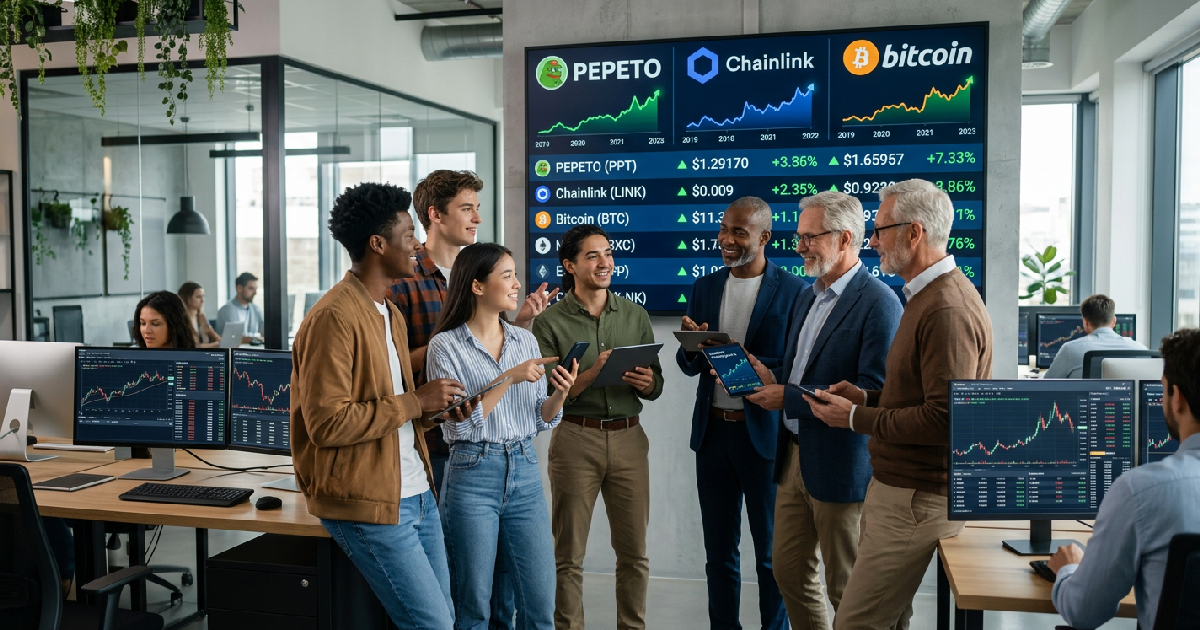
TechBullion Names Pepeto, Chainlink, and Bitcoin as Top 3 Cryptos to Buy Now
TechBullion names Pepeto, Chainlink, and Bitcoin as the top 3 cryptos to buy now as large-cap altcoin gains signal the start of a new 2026 market cycle.
Opinion

Chainlink May Be Becoming Crypto’s Most Important Infrastructure Project

Diego AlmeidaBy Diego AlmeidaJuly 1, 20263 Mins Read
Share
Facebook Twitter LinkedIn Pinterest Email

Bitcoin introduced digital scarcity.

Ethereum transformed blockchain into a programmable platform.

Together, they shaped much of the conversation around digital assets over the past decade.

Yet the next stage of blockchain adoption may depend on a very different type of infrastructure.

As banks, asset managers, and governments increasingly experiment with tokenized assets, cross-border payments, and interoperable blockchain networks, a new challenge is emerging.

How do these systems communicate with one another?

That question places Chainlink in an increasingly strategic position.

Rather than competing to become another blockchain, the project is building the infrastructure that allows multiple blockchains—and eventually traditional financial systems—to exchange trusted information.

It is a less visible role.

It may also prove to be one of the most important.

Financial Institutions Need More Than Blockchains

The institutional adoption of blockchain has accelerated significantly over the past two years.

Banks are launching tokenized funds.

Asset managers are experimenting with digital securities.

Payment providers are integrating blockchain settlement into existing financial infrastructure.

Each initiative solves part of the puzzle.

But another challenge remains.

Most blockchain networks were never designed to communicate seamlessly with one another or with traditional financial infrastructure.

Without reliable interoperability, tokenized assets risk becoming isolated ecosystems rather than components of a truly global financial network.

This is precisely the problem Chainlink has been attempting to solve.

Infrastructure Is Often Invisible Until It Becomes Essential

History suggests that the most valuable technological companies are not always the most visible.

The internet itself depends on countless infrastructure providers that operate quietly behind the scenes.

Financial markets work the same way.

Payment rails, clearing houses, messaging systems, and market data providers rarely generate headlines, yet modern finance could not function without them.

Blockchain appears to be reaching a similar stage.

As the industry matures, attention may gradually shift from individual cryptocurrencies toward the infrastructure connecting institutions, assets, and networks.

In that environment, interoperability becomes less of a technical feature and more of a financial necessity.

The Biggest Opportunity May Be Connecting the Entire Ecosystem

Chainlink’s long-term opportunity extends beyond decentralized finance.

Its technology is increasingly relevant to tokenized securities, stablecoins, institutional settlement, and cross-chain communication.

If blockchain adoption continues expanding across traditional finance, demand for trusted data, interoperability, and secure messaging is likely to grow alongside it.

That does not guarantee that any single project will dominate this emerging market.

Competition remains intense.

Technological standards continue evolving.

Regulation will also shape the industry’s future.

Yet one trend appears increasingly difficult to ignore.

The next generation of blockchain infrastructure may not be built by the networks that process the most transactions.

It may be built by the networks that allow every other blockchain to work together.

Chainlink rarely dominates market headlines.

But infrastructure rarely does.

And history has repeatedly shown that the companies connecting complex systems often become more important than the systems themselves.

Chainlink Blockchain Infrastructure Chainlink Interoperability Cross Chain Communication institutional crypto Tokenized Assets
Share. Facebook Twitter Pinterest LinkedIn Tumblr Email

Related Posts

Robinhood launches new blockchain for tokenized assets on Arbitrum

July 1, 2026

Brett Redfearn warns tokenization will disrupt brokerage stock lending profits

July 1, 2026

Bitcoin’s Record Hash Rate Signals Mining Has Become an Industrial Business

July 1, 2026

Governor Ron DeSantis signs bill setting $2,000 daily crypto kiosk limit

July 1, 2026

Recent Posts

  • Solana Prediction Market World Launches, Challenges Rivals
  • Farside Warns Strategy’s 12% STRC Dividend Could Harm Confidence
  • Ethereum Logs Third Consecutive Quarterly Loss
  • Robinhood Launches New L2 Blockchain “Robinhood Chain”
  • Hormuz Traffic Doubles After MOU, Reducing Oil War Premium
Top Posts

Robinhood launches new blockchain for tokenized assets on Arbitrum

July 1, 2026

Brett Redfearn warns tokenization will disrupt brokerage stock lending profits

July 1, 2026

Bitcoin’s Record Hash Rate Signals Mining Has Become an Industrial Business

July 1, 2026

Stay updated with the latest crypto news, market trends, and expert insights. We provide accurate and timely information to help you make better decisions.

Facebook X (Twitter) Instagram Pinterest YouTube
Our Resources
  • About Us
  • Privacy Policy
  • Editorial Policy
  • Legal Disclaimer
  • Contact us
Categories
  • Altcoins
  • Prediction
  • Opinion
  • Guides
  • Reviews
  • Bitcoin
  • Ethereum
Recent Posts
  • Solana Prediction Market World Launches, Challenges Rivals
  • Farside Warns Strategy’s 12% STRC Dividend Could Harm Confidence
  • Ethereum Logs Third Consecutive Quarterly Loss
  • Robinhood Launches New L2 Blockchain “Robinhood Chain”
© 2026 Daily Crypto News

Type above and press Enter to search. Press Esc to cancel.