
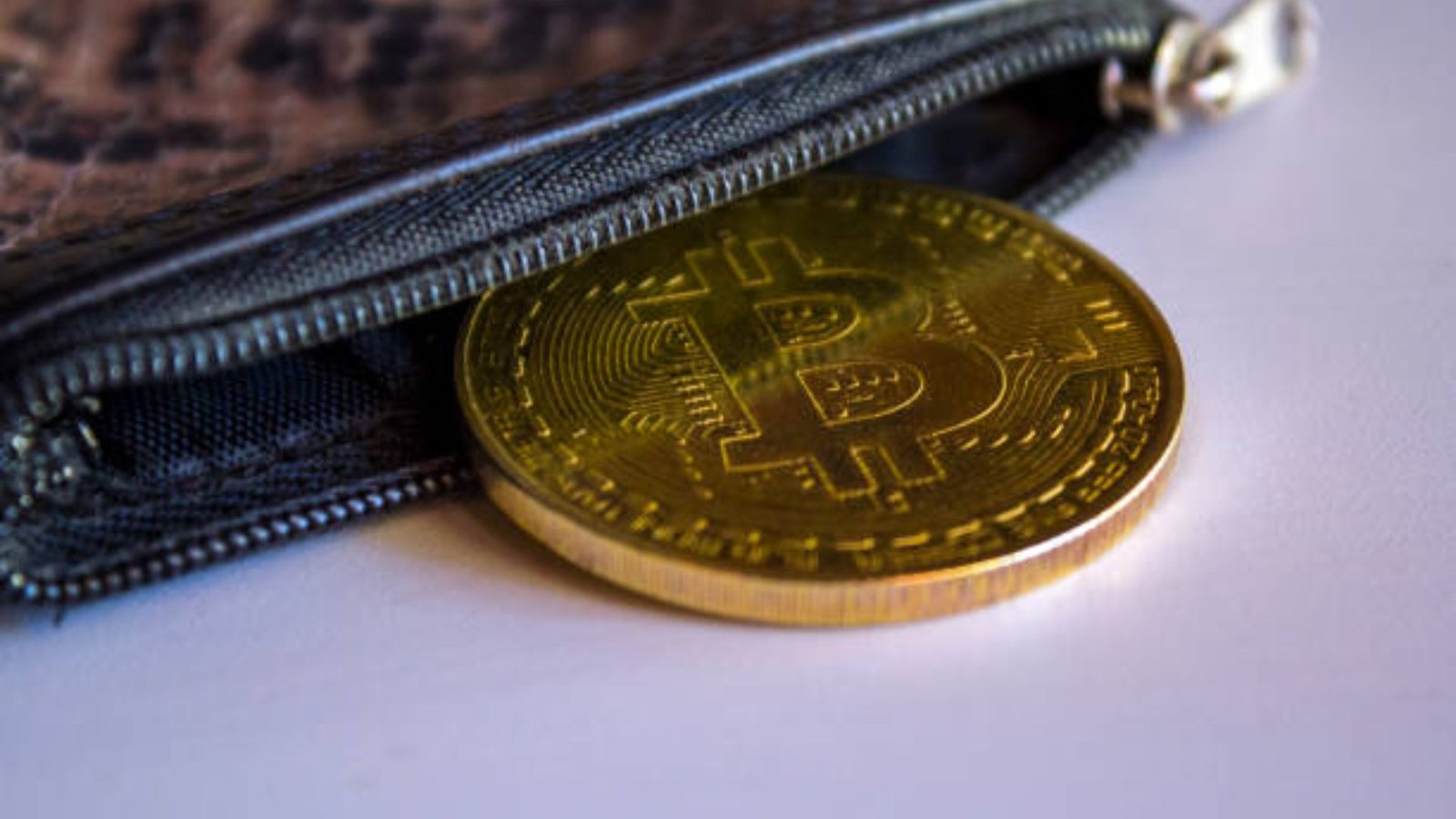

Buying your first Bitcoin or altcoin on an exchange like Binance, Coinbase, or Kraken feels exciting—until you realize the coins are not really “in your pocket.” The next big question becomes: where should you keep them? This crypto wallet guide for beginners will walk you through the basics of crypto wallets, how they work, and how to store your assets safely across different platforms and devices.
Unlike a traditional bank account, the blockchain lets you become your own bank, but that freedom only works if you understand the rules: not your keys, not your coins. If someone else controls the keys, they control the money. In this guide we’ll show you how to choose the right wallet, move funds securely, and build habits that protect your crypto over time.
How a crypto wallet works (and why it matters)
Before you download an app or buy a hardware device, there are a few core ideas you should get comfortable with. A crypto wallet is not a box that “holds” your coins; it is a tool that lets you sign transactions and prove ownership of addresses on the blockchain. The real value—the coins—lives on the public ledger; the wallet simply holds your private keys.
Think of a private key as a special password that unlocks your balance. If someone gets it, they can move your funds. To make this easier to remember, wallets turn those keys into a seed phrase (also called a recovery phrase): a list of 12 or 24 words in English that can regenerate all your keys. If you lose your device but keep the seed phrase, you can recover your wallet. If someone else finds the seed phrase, they can steal everything.
Exchanges like Binance, Coinbase, or Kraken are great for trading and moving money in and out of USD, but they are custodial. That means they hold the keys for you. If the exchange suffers a hack, mismanagement, or regulatory freeze, your balance can disappear. A non‑custodial wallet puts you in control, but it also makes you responsible for your own security. This crypto wallet guide for beginners will help you balance convenience and safety so you can protect your crypto without feeling overwhelmed.
What is a private key and a seed phrase?
A private key is a long, secret string of letters and numbers that belongs to a specific blockchain address. When you send crypto, the wallet signs the transaction with this key, telling the network “yes, this person owns these coins.” The network doesn’t need to see your ID; it only checks that the signature is mathematically correct.
Because private keys are hard to remember, wallets generate a seed phrase the first time you create an account. This phrase is the master key to your wallet: if you restore a new device using the same seed, you get access to all your funds again. That’s why you should never share your seed phrase with anyone, never type it into a website, and never store it in plain text on your phone or email.
If you lose your seed phrase and your device breaks, your crypto is effectively gone. If someone else copies it while you’re not looking, they can drain your wallet. Seed‑phrase security is the single biggest factor in whether a crypto wallet guide for beginners actually keeps you safe in the long run.
Types of wallets: custodial vs non‑custodial
Wallets fall into two broad categories: custodial and non‑custodial. A custodial wallet is one where a company holds the keys for you. Binance, Coinbase, Kraken, and many bank‑issued crypto services are custodial. They provide features like lost‑password recovery and customer support, but you don’t fully control your assets.
A non‑custodial wallet is one where you hold the keys. Apps like MetaMask, Trust Wallet, or hardware‑wallet‑connected interfaces let you keep custody of your own private keys. There’s usually no central support team that can restore your access if you forget your seed phrase, but you also eliminate the risk that the company will hack, freeze, or mismanage your funds.
For most beginners, the smart approach is to use exchanges as trading layers and move larger, long‑term holdings into a non‑custodial wallet. This combination keeps your short‑term trading convenient while your main savings are protected by real ownership.
Hot wallets vs cold wallets: security and convenience
Hot wallets and cold wallets represent two different ways to manage risk vs usability. A hot wallet is always connected to the internet, such as a mobile app or a browser extension. A cold wallet keeps private keys offline, usually on a hardware device like a Ledger‑style or Trezor‑style gadget.
Hot wallets are convenient for everyday use. You can send and receive crypto quickly, swap between tokens, and interact with DeFi apps or NFTs directly from your phone or browser. But because they live on devices that can be infected or phished, they are more exposed to hacking and malware.
Cold wallets solve that problem by keeping keys physically separated from the internet. When you send funds, you connect the device to a computer, review the transaction on its screen, and let it sign the data internally. The private key never leaves the device, so even a compromised computer can’t steal your funds. This is why many institutional investors and long‑term bitcoin holders treat cold wallets as the foundation of their security strategy.
Here’s a quick comparison:
- Hot wallet (software / Web3): Keys stored on your phone or browser. Fast, easy, better for small, active balances.
- Cold wallet (hardware): Keys stored offline in a physical device. Slower to use, but much more secure for long‑term savings.
Choosing between them depends on how much you hold and how often you move funds. This crypto wallet guide for beginners will help you match your behavior to the right setup.
Step‑by‑step: moving crypto from an exchange to your wallet
One of the most practical skills you’ll learn from a crypto wallet guide for beginners is how to move funds from an exchange to your own wallet. Here’s a simple, repeatable workflow:
- Install a wallet you trust.
Pick a reputable non‑custodial wallet: a mobile app like Trust Wallet or a hardware device with its companion app. - Generate a new address.
Open the wallet and choose the correct network (e.g., Bitcoin, Ethereum, BNB Smart Chain). The app will show you a public address and, if it’s a hardware wallet, may ask you to confirm it on the device screen. - Copy the address carefully.
Use the wallet’s built‑in copy button or QR‑code scanner. Avoid typing the address manually to reduce the chance of errors. - Withdraw from Binance, Coinbase, or Kraken.
In the exchange’s withdrawal section, paste the address and select the correct asset and chain. Double‑check everything before confirming. - Start with a small test.
Send a small amount first and confirm it appears in your wallet. Only after that transfer settles should you move larger sums. - Monitor the transaction.
Most wallets show pending transactions and let you open a block explorer to see progress in real time.
Following these steps, you turn your exchange into a temporary parking spot and your wallet into the real home for your crypto. This routine is a core part of how to store bitcoin and altcoins safely.
Security habits: not just the wallet itself
A good crypto wallet guide for beginners must also teach behavioral habits, because the strongest hardware device won’t help you if you give your seed phrase to a scammer.
Never share your seed phrase, even with “support” that contacts you first. Legitimate support teams will never ask for it. Always install wallets from official app stores or the project’s official website, and avoid clicking random links in search results or social media. Use a hardware‑based authenticator app for two‑factor authentication instead of SMS, and keep your OS and wallet apps updated.
Seed‑phrase backup is also critical. Writing it on paper and storing it in a home safe is already a big improvement over a digital note. For even more durability, many people engrave their phrase on metal plates and store copies in separate, secure locations. Combining a hardware wallet with a metal seed‑phrase backup is one of the safest ways to store bitcoin and altcoins over many years.
Should you keep crypto on Binance, Coinbase, or Kraken?
This is one of the biggest questions for beginners: “Is it safe to leave my crypto on an exchange?” The short answer is: it depends on your time horizon and risk tolerance. Exchanges are useful tools, but they are not built to be long‑term vaults.
Binance, Coinbase, and Kraken offer deep liquidity, fast trades, and clear on‑ and off‑ramps between USD and crypto. They also provide customer support, insurance on some assets, and extra security features like withdrawals whitelists and multi‑factor authentication. For someone who is actively trading or moving small amounts in and out of fiat, keeping a portion of funds on an exchange makes sense.
On the other hand, there are real risks. History shows that even large exchanges can be hacked, mismanaged, or caught in regulatory trouble. If an exchange freezes withdrawals or goes out of business, balances held there can be stuck for months or lost entirely. That’s why many experienced investors treat exchanges as liquidity layers, not permanent storage.
A more balanced approach is to use exchanges only for assets you plan to trade or spend in the short term, and move the rest into a non‑custodial wallet. For example, you might keep 10–20% of your portfolio on Binance, Coinbase, or Kraken for active trading, and store the remaining 80–90% in a hardware wallet or a well‑secured mobile app. This segmentation mimics how institutional investors often think about risk: hot wallets for operations, cold wallets for long‑term savings, and sometimes a small portion in insured custodians when required.
Is a crypto wallet worth it for beginners?
For many beginners, the idea of “owning the keys” feels intimidating at first. It brings responsibility, but it also brings freedom. A crypto wallet guide for beginners is worth it if you’re thinking about crypto as anything more than a quick trade.
Here are the main pros of using your own wallet:
- You are no longer exposed to exchange‑specific risks like hacks, mismanagement, or regulatory freezes.
- You can interact directly with decentralized apps, lending protocols, and staking services without filters or intermediaries.
- You build habits that prepare you for long‑term wealth management, where true ownership and self‑control matter more than convenience.
The cons mostly relate to the learning curve and personal responsibility:
- You must understand seed phrases, transaction fees, and different blockchains.
- Mistakes—like sending Bitcoin to an Ethereum address—can be irreversible.
- If you neglect backups or fall for phishing, you can lose access to your funds.
So is it worth it? If you’re only experimenting with tiny amounts and plan to cash out quickly, sticking with an exchange for now may be fine. But if you’re thinking in years, not weeks—if you’re building a portfolio that represents real savings, then a crypto wallet becomes essential. For many, a hardware wallet is a kind of “cyber insurance”: a small upfront cost that protects a much larger asset over time.
A good path for beginners is often:
- Start with a trusted mobile or browser‑extension wallet for small, active balances.
- Learn how to send, receive, and confirm transactions.
- As your portfolio grows, upgrade to a hardware wallet for your main holdings.
This progression lets you gain experience where the stakes are lower, then protect larger amounts once you’re more comfortable with the tools.
Wrapping up: making your crypto wallet work for you
A crypto wallet guide for beginners is only useful if you actually apply it. The goal is not to chase the “perfect” setup, but to build simple, repeatable habits that scale as your portfolio grows.
Security in crypto is a process, not a one‑time product. It combines good tools—a trusted wallet, maybe a hardware device, and good behavior: never sharing your seed phrase, double‑checking addresses, and using test transfers before big moves. Treating your crypto like a real financial asset forces you to think about storage the same way you think about a bank account, a safe deposit box, or a brokerage account.
If you’re starting small, that’s okay. Begin with a modest amount on an exchange, move a small test amount to your own wallet, and practice the full cycle of sending and receiving. Over time, you’ll develop the confidence to keep more of your portfolio in self‑custody, while still using platforms like Binance, Coinbase, or Kraken where they make the most sense. That balanced approach is the core insight of this crypto wallet guide for beginners: control your keys, but also control your risks.
This content is for informational purposes only and does not constitute financial advice.