
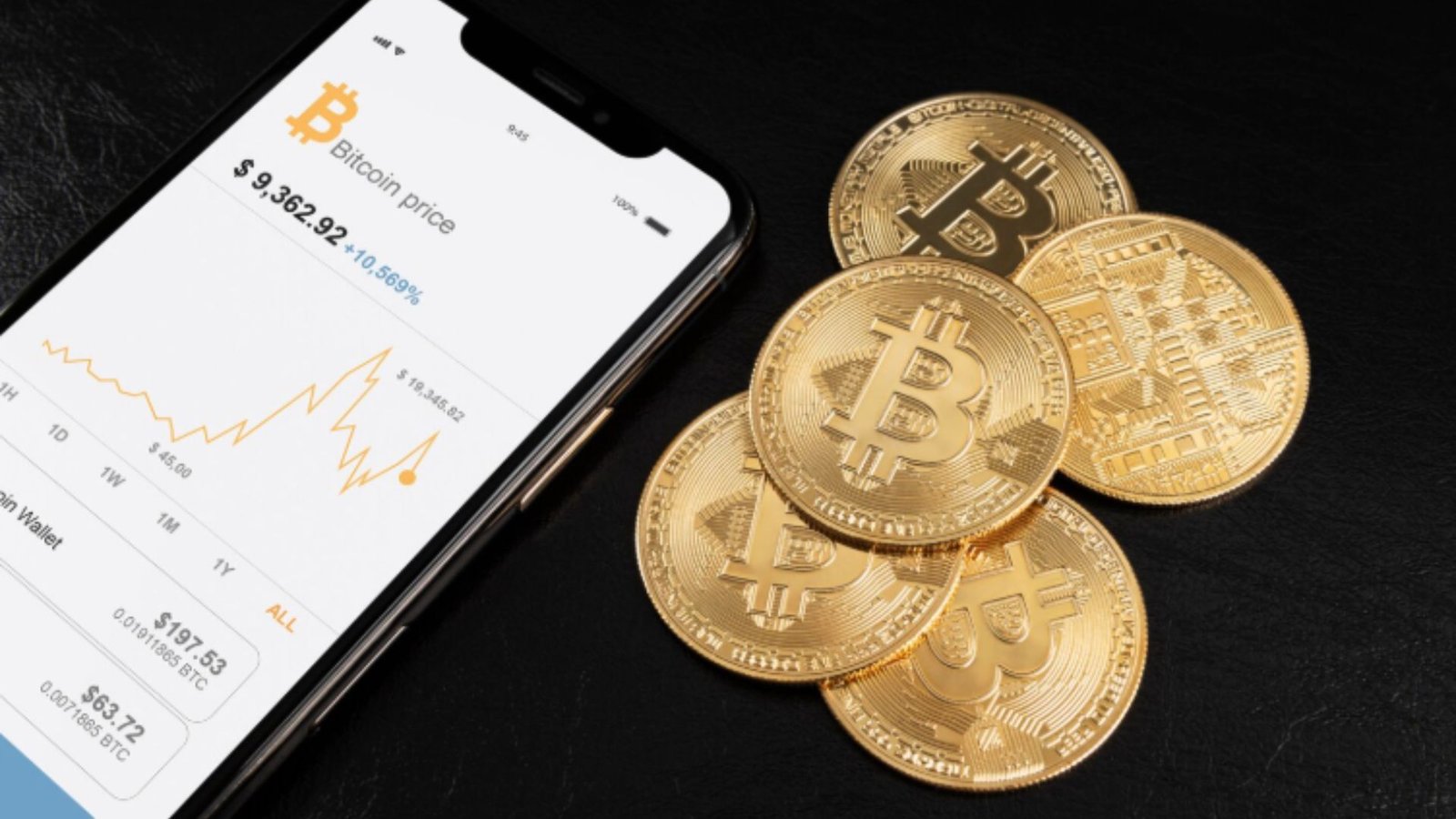

Earning passive income with crypto has evolved from high-risk speculation into a structured opportunity for savvy investors. With mature infrastructure and institutional adoption, you can generate yields without constant monitoring. This guide breaks down practical methods to earn passive income with crypto, helping beginners and intermediates build sustainable strategies amid market volatility.
What is Earning Passive Income with Crypto?
Earning passive income with crypto means putting your digital assets to work to generate returns with minimal ongoing effort. Unlike traditional savings accounts offering near-zero yields, crypto protocols reward holders for supporting network operations.
At its core, this involves mechanisms like staking, where you lock up tokens to secure blockchain networks, or providing liquidity to decentralized exchanges. Platforms such as Ethereum, Solana, and emerging layer-2 solutions enable these yields, often ranging from 4% to 20% annually, depending on the asset and market conditions.
Think of it as digital dividends: your holdings earn more holdings, compounding over time. This isn’t gambling, it’s participation in decentralized finance (DeFi), where users replace banks as the backbone of value transfer. Global exchanges like Kraken and Gemini now integrate these features seamlessly, making entry straightforward.
Why Does It Matter Today?
Earning passive income with crypto matters because traditional finance lags behind. With U.S. Treasury yields hovering below inflation and European savings rates stagnant, crypto offers asymmetric upside. Institutional players like BlackRock and Fidelity hold billions in Bitcoin and Ethereum, signaling mainstream validation.
Global adoption surges as remittances, cross-border payments, and Web3 applications demand efficient alternatives to legacy systems. Economic uncertainty—persistent inflation and geopolitical tensions—drives capital to scarce, programmable assets. For individuals, this means portfolio diversification: a small crypto allocation can outpace stocks or bonds during bull cycles.
Moreover, DeFi TVL (total value locked) exceeds $200 billion, per recent Dune Analytics data, proving real utility. Ignoring these opportunities risks missing the shift toward a token-based economy, where passive strategies reward early, patient participants.
How Does It Work?
Earning passive income with crypto operates through blockchain incentives, primarily via Proof-of-Stake (PoS) and DeFi smart contracts.
In staking, you delegate tokens to validators on networks like Ethereum or Cardano. These validators process transactions and add blocks; in return, you earn a share of block rewards—newly minted tokens plus fees. No heavy hardware needed; just connect a wallet like MetaMask to a platform such as Lido or Rocket Pool.
Yield farming builds on this: deposit token pairs (e.g., ETH-USDC) into liquidity pools on Uniswap or Curve. Traders pay fees for swaps, prorated to providers. Smart contracts automate distributions, often boosted by protocol tokens.
Airdrops reward early users interacting with protocols like LayerZero or zkSync, simple tasks like bridging assets yield free tokens upon launch. Long-term holding (HODLing) relies on appreciation from scarcity, like Bitcoin’s 21 million cap.
All this runs on transparent, auditable code, verifiable via Etherscan or Solscan. Yields auto-compound, but monitor via apps like Zapper or DeFiLlama.
Advantages and Risks
Earning passive income with crypto shines in liquidity and accessibility. Advantages include high yields—Ethereum staking averages 4-6%, Solana up to 8%, far surpassing bank rates. Compounding accelerates growth; $10,000 at 7% yields over $20,000 in a decade. It’s borderless: access via Coinbase from anywhere. Tax efficiency appeals in jurisdictions like Portugal or UAE with favorable rules.
Institutional-grade tools, like Gemini Earn or Binance Staking, add reliability with insurance funds.
Risks demand caution. Smart contract vulnerabilities have led to $3 billion in DeFi hacks since 2020 (per Chainalysis). Impermanent loss erodes liquidity providers if prices diverge sharply e.g., ETH surges 50% against USDC. Volatility slashes portfolio values overnight; 2022’s crash wiped 70% off majors.
Custodial risks loom: exchange failures like FTX highlight “not your keys, not your coins.” Regulatory shifts, such as SEC scrutiny on staking-as-securities, add uncertainty. Mitigation: diversify across chains, use audited protocols, and allocate only risk capital.
Balanced view: rewards outweigh risks for informed users, mirroring Bitcoin Suisse’s emphasis on fundamentals over hype.
How to Get Started in Practice
Ready to earn passive income with crypto? Follow these actionable steps using trusted global platforms.
- Build Foundations: Secure a non-custodial wallet like Ledger (hardware) or Phantom (software). Fund with USD via bank transfer on Coinbase or Kraken—start with $500-1,000 in risk capital only.
- Research Assets: Use CoinMarketCap or Messari for APYs. Prioritize blue-chips: ETH, SOL, or BTC via wrapped versions. Check TVL and audit reports on DefiLlama.
- Stake Simply: On Binance, select “Earn” > Staking > ETH. Lock flexibly or fixed for higher yields. Alternatives: Kraken for BTC staking proxies.
- Explore DeFi: Connect MetaMask to Uniswap. Deposit ETH-USDT pair; claim rewards weekly. Start small to learn impermanent loss.
- Hunt Airdrops: Track via AirdropAlert or LayerZero docs. Bridge assets on official sites.
- Secure and Monitor: Enable 2FA, use hardware wallets for >$5,000. Track via Zerion app. Rebalance quarterly.
- Track Taxes: Use Koinly for global reporting, report gains on sales.
Practice on testnets first. Scale gradually; patience beats FOMO.
Conclusion
Earning passive income with crypto in 2026 empowers you to harness blockchain’s potential without day-trading stress. From staking’s reliability to DeFi’s yields and HODLing’s simplicity, diverse paths suit every risk tolerance. Prioritize security, diversify, and treat it as 10-20% of a barbell portfolio—safe assets cover essentials, crypto fuels growth.
Reflect: consistent, educated participation builds wealth as adoption grows. Start small today; tomorrow’s infrastructure depends on users like you.
This content is for informational and educational purposes only and does not constitute financial, investment, or legal advice. Cryptocurrency investments are volatile and involve significant risk.