
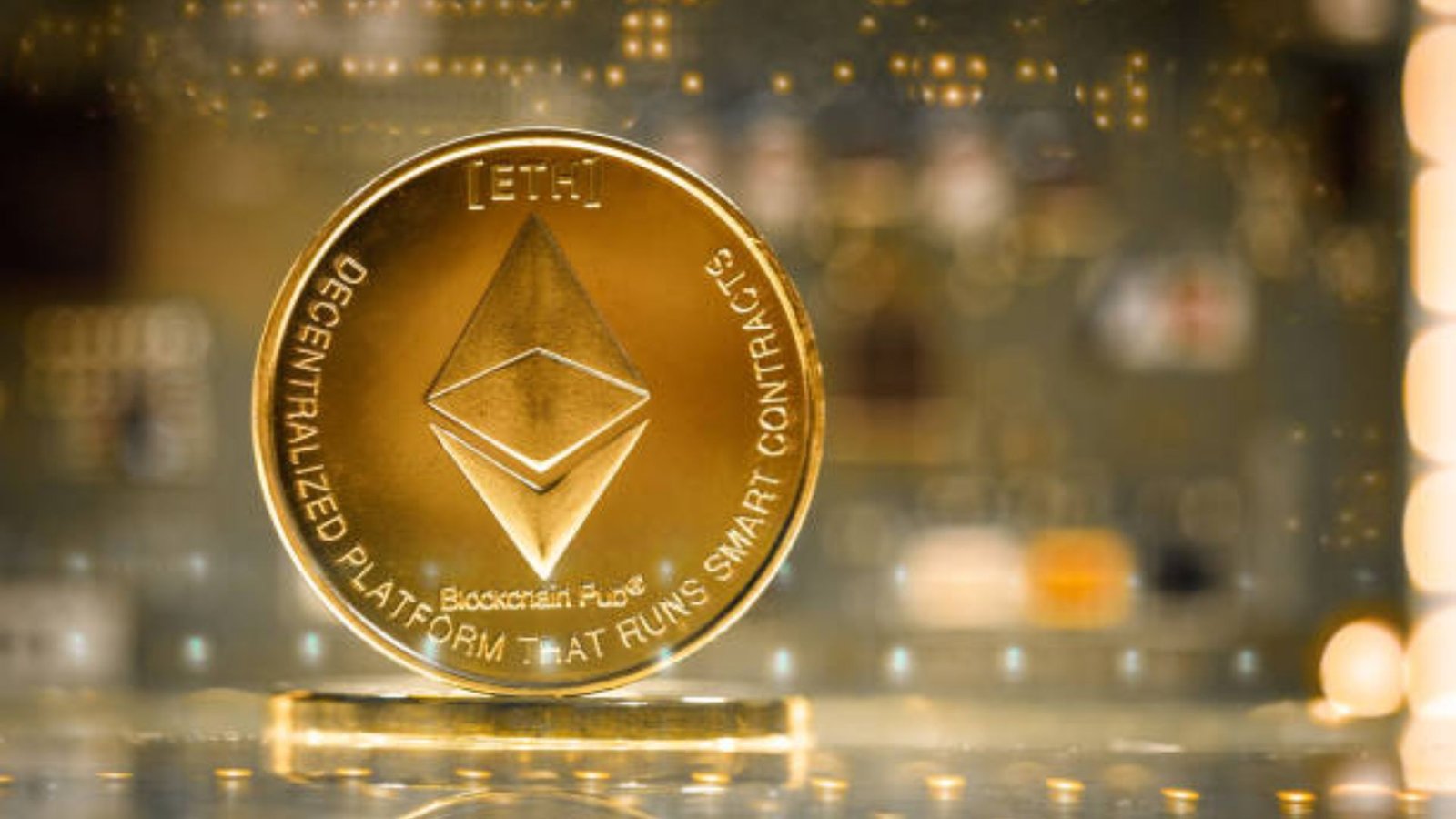

Deciding if now is the right time for investing in Ethereum requires looking far beyond the frantic candles of a price chart. To approach this asset with the mindset of a seasoned wealth manager, you have to realize we aren’t just talking about a digital coin; we are discussing the backbone of a new global financial system.
While the headlines often treat crypto as a high-stakes casino, global institutional capital has begun a quiet, methodical migration toward decentralized infrastructure. Ethereum has matured from a bold technical experiment into the world’s primary settlement layer for smart contracts. If Bitcoin is the internet’s gold, Ethereum is its programmable logic.
What you need to know before getting started
The most common hurdle for newcomers is distinguishing the technology from the asset. Ethereum, with a capital “E,” is the global network—a massive, decentralized supercomputer maintained by thousands of independent nodes worldwide. It is an open playground where anyone can build an app that no single entity can shut down.
Ether (ETH) is the native financial asset of this network. Think of it as the “Digital Oil” required to run the machine. Every time someone wants to record a transaction or execute a piece of code on the network, they must pay a fee. This fee, known as “gas,” can only be paid in Ether.
Understanding how does Ethereum work is the first step to seeing its intrinsic value. Unlike traditional fiat currencies printed by central banks, ETH has a functional utility that is non-negotiable within its ecosystem. It is the fuel that keeps the global engine running 24/7, without weekends or bank holidays.
Furthermore, Ethereum underwent a massive upgrade that fundamentally changed its monetary policy. A portion of every transaction fee is now permanently destroyed, a process called “burning.” In times of high network activity, more ETH is destroyed than created, introducing a programmed digital scarcity that appeals to those looking for a hedge against traditional inflation.
Why Ethereum matters: The investment thesis step-by-step
In the world of professional wealth management, assets are judged by their ability to generate cash flow, dominate a sector, and attract continuous capital. When investing in Ethereum, you are essentially betting on three pillars of innovation that are currently reshaping the financial landscape.
The Dominance of Smart Contracts and DeFi
Ethereum’s breakthrough was the invention of smart contracts. These are self-executing lines of code that trigger when certain conditions are met: no lawyers, no middleman, and no “trust” required. This innovation birthed Decentralized Finance (DeFi).
Today, users can take out loans, swap assets, and earn interest through apps like Uniswap or Aave, all running on Ethereum. The network currently holds the largest “network effect” in the industry, boasting the most active developers and the highest “Total Value Locked” (TVL). This creates a massive competitive moat that is incredibly difficult for rivals to cross.
Wall Street’s Entry: Spot ETFs and Institutional Access
The risk profile of Ethereum changed the moment Wall Street walked through the door. The approval of Spot Ethereum ETFs (Exchange-Traded Funds) in major regulated markets has validated ETH as a legitimate institutional asset class.
For an investor, this means you are no longer alone. When you ask yourself is Ethereum a good investment, look at where the “smart money” is flowing. ETFs allow pension funds and large-scale wealth managers to gain exposure to ETH without the technical headache of managing private keys or worrying about exchange hacks. This creates a structural, long-term buying pressure that moves the asset away from retail hype toward institutional stability.
Tokenization of Real-World Assets (RWA)
Perhaps the most disruptive trend for the next decade is the tokenization of Real-World Assets (RWA). Financial giants have realized that issuing bonds, stocks, or even real estate on a blockchain is cheaper, faster, and more transparent than using legacy banking systems.
Major global asset managers have already started issuing money market funds directly on the Ethereum blockchain. By using Ethereum as a public, immutable ledger, these institutions eliminate the need for costly reconciliations. As the multi-trillion-dollar traditional securities market migrates to blockchain, Ethereum stands as the primary highway where this value will travel.
The Digital “Risk-Free Rate”
A unique insight often overlooked by beginners is the role of staking. In the Ethereum network, holders can “stake” their ETH to help secure the network and, in return, earn a yield (often around 3-4% annually).
In institutional circles, this is beginning to be viewed as the “risk-free rate” of the digital economy, similar to how U.S. Treasury bonds function in the traditional world. This ability to earn a native yield while holding a growth asset makes ETH a unique hybrid of a tech stock and a bond.
Ethereum vs. Bitcoin: Which belongs in your portfolio?
One of the most frequent traps for those looking at Ethereum vs Bitcoin for beginners is the belief that one must “win” while the other “loses.” The analytical reality is that they solve entirely different problems and usually complement each other in a balanced portfolio.
- Bitcoin is designed to be “Digital Gold.” It is slow, rigid, and incredibly secure, making it the ultimate store of value and a hedge against the debasement of fiat currency.
- Ethereum is “Digital Oil” or “Programmable Money.” It is a dynamic operating system designed to host the world’s decentralized applications.
From a wealth management perspective, Bitcoin provides the defensive foundation of a digital portfolio, while Ethereum provides the aggressive growth and utility. Holding both allows an investor to capture two distinct sides of the blockchain revolution: the store of value and the utility layer.
The Reality Check: Risks and common concerns
No honest analysis is complete without acknowledging the “Growing Pains” of such a young technology. Investing in Ethereum comes with a set of systemic risks that any prudent investor must weigh.
The Scalability Bottleneck
Ethereum’s biggest weakness is its own popularity. When the network gets crowded, transaction fees (gas fees) can skyrocket, sometimes costing $50 or more for a simple swap. This has pushed many retail users toward “Layer 2” networks—auxiliary chains like Arbitrum or Optimism that process transactions cheaply before settling them on the main Ethereum chain.
The “Solana” Competition
While Ethereum is the established leader, it faces aggressive competition from “Ethereum Killers” like Solana. These networks offer high-speed transactions at a fraction of the cost. While they currently lack Ethereum’s level of decentralization and security, they are capturing significant market share in sectors like NFTs and retail trading. The market will closely watch if Ethereum’s Layer 2 strategy can maintain its dominance.
The Regulatory Fog
The legal status of ETH remains a topic of intense debate, particularly in the United States. Whether ETH is classified as a commodity (like gold) or a security (like a stock) has massive implications for how exchanges like Coinbase, Kraken, or Binance can list the asset. While the approval of ETFs was a massive win, the regulatory environment remains a source of volatility.
Is Investing in Ethereum worth it for the long term?
When looking at the Ethereum price potential, beginners often feel they have “missed the boat.” This is a classic cognitive bias. If you believe that the global financial system will gradually be rebuilt on decentralized rails, the current valuation represents only a fraction of that future adoption.
Ethereum is currently classified as a “Growth Asset.” It is more volatile than the S&P 500 but has historically offered much higher upside. For a long-term investor, the most rational approach is often Dollar Cost Averaging (DCA)—buying small amounts at regular intervals to smooth out the inevitable price swings.
The fundamentals like institutional adoption, the burn mechanism, and the transition to a settlement layer for the world’s assets, have never been mathematically stronger.
Conclusion
Ethereum has moved past the era of pure speculation. It has developed economic resilience, earned the trust of conservative institutional players, and established a near-monopoly on decentralized application development.
Investing in this infrastructure requires an understanding that volatility is the “tax” you pay for being early to a generational innovation. However, for those looking to diversify their wealth outside of inflationary fiat systems, Ethereum represents a calculated bet on a future where the internet, finance, and contracts are open, transparent, and auditable by anyone.
Start small, focus on safe custody through reputable platforms like Coinbase or Kraken, and keep your eyes on a five-to-ten-year horizon. The digital revolution is just finishing its foundation, and Ethereum is the lead architect.
This content is for informational purposes only and does not constitute financial advice.