

For years, NFTs looked like a relic of crypto’s most exuberant era. Now NFTs are showing up on traders’ screens again, with collectors returning to some of the category’s oldest names while new projects find buyers willing to spend serious money.
CryptoPunks have seen 40 pieces change hands over the past seven days for a combined 1,309 ETH, worth $3.58 million. That represented 40% of the collection’s trading activity over the previous month.
The revival is not limited to Ethereum. On Solana, collectors are buying Boogles, an original 1/1 collection, at a rapid clip. Ten Boogles have been sold during September for a combined 8,700 SOL, valued at more than $1 million.
Among the buyers are recognizable crypto figures, including WhiteWhale and Se Yong Park, the co-founder of fomo.
The sudden interest has revived an old question: are NFTs heading toward another major speculative cycle, or has the technology moved on from profile-picture collections altogether?
NFTs Are Pulling Collectors Back Into Digital Art
The excitement around CryptoPunks is partly cultural. The collection has often been treated as the equivalent of Bitcoin within the NFT world, making renewed demand for the pixelated avatars a closely watched signal for collectors.
But the numbers still sit far below the frenzy of 2021, when NFTs generated billions of dollars in weekly trading volume.
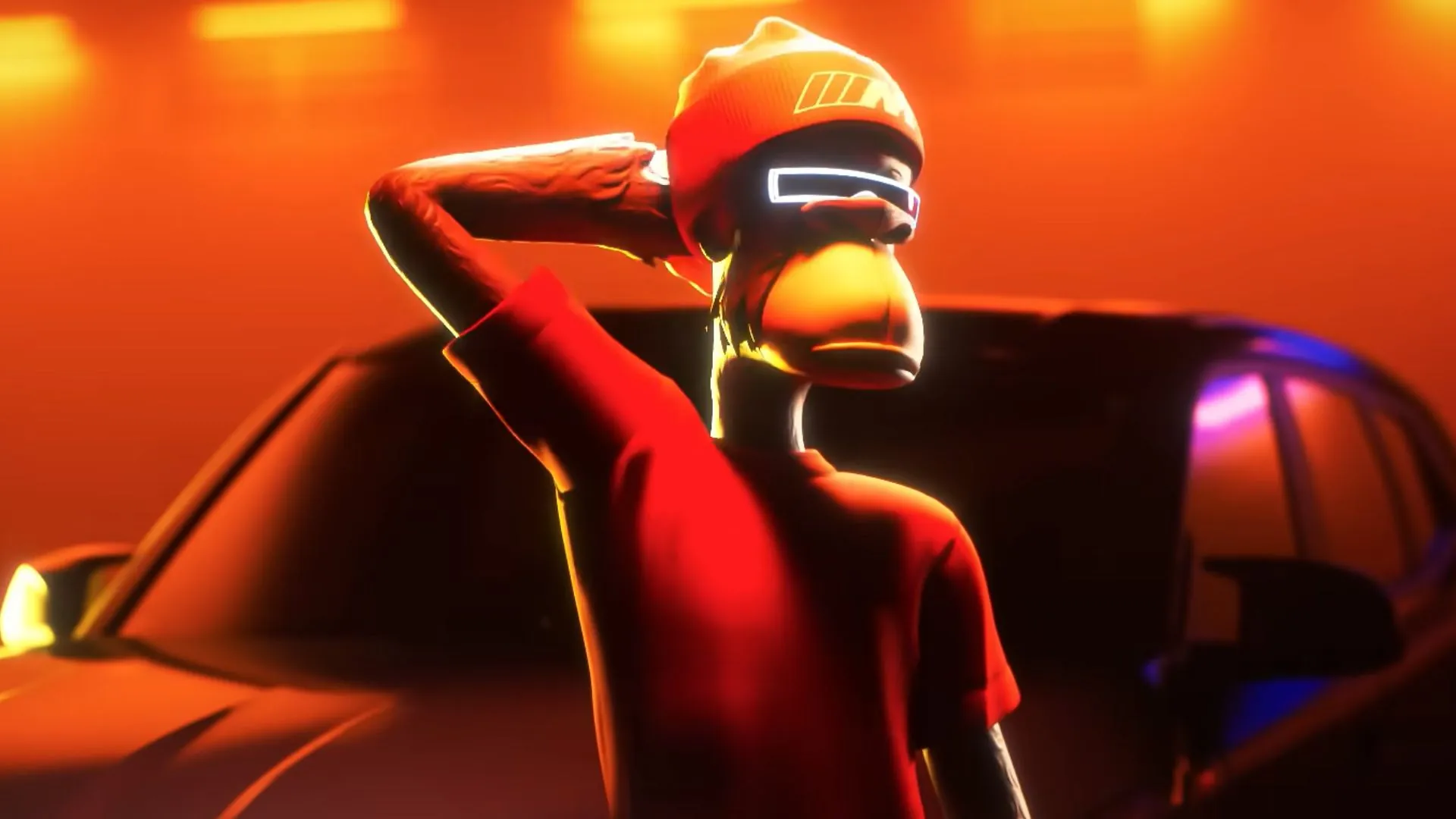
That period pushed collections such as Bored Ape Yacht Club into mainstream culture, including appearances at Christie’s auction house and on prime-time television. NFTs briefly became one of crypto’s most visible intersections with popular culture.
Today’s activity is smaller, but it is enough to put established collections back in the conversation.
At the same time, the market is giving attention to newer experiments. zkSnarks, a recently launched collection on the Zcash network, generated more than $17 million in funding for its creators. The project has also attracted criticism from blockchain investigator ZachXBT.
Since launch, zkSnarks have recorded more than 5,000 ZEC in trading volume, pointing to demand for digital collectibles beyond the networks that dominated the previous NFT boom.
Other artists are testing that appetite, too. Alpha Centauri Kid’s Argonauts sold out with $3 million in mint fees, while comic artist Bold Leonidas has teased his forthcoming Bolds collection.
With collectors showing a greater willingness to pay for scarce digital pieces, Leonidas has even joked about increasing the mint price.
What Happens When NFTs Stop Looking Like NFTs?
The more interesting shift may be happening outside traditional digital art.
NFT technology is increasingly being used in emerging markets for what the reference article describes as exotic real-world assets, particularly trading card games. Instead of representing a profile picture, an NFT can serve as an onchain counterpart to a physical collectible.
That model is already producing significant activity. Collector Crypt, a Solana-based TCG marketplace, is recording more than $29 million in weekly gross merchandise volume.
For crypto-native collectors, that figure may attract less cultural attention than a multimillion-dollar CryptoPunks trade. But it points toward a broader question about the future of NFTs: whether their most durable role will be as digital art or as infrastructure for owning and trading scarce physical and digital collectibles.
The current resurgence, then, is not necessarily a return to 2021.
Classic collections are attracting buyers again, new mints are finding an audience, and NFT-based marketplaces are expanding into categories such as TCGs. The common thread is scarcity, ownership and trading—but the objects changing hands are no longer limited to pixelated avatars.
NFTs may never again command the same weekly volumes that defined their peak. Their technology, however, is finding new places to live, from Zcash collectibles to Solana trading-card markets.