

Market attention tends to gravitate toward Bitcoin’s price.
Every rally fuels optimism.
Every correction raises doubts.
Yet one of the network’s most important indicators has continued climbing almost regardless of market sentiment.
Bitcoin’s hash rate has reached another all-time high, reflecting the total computing power securing the world’s largest blockchain.
At first glance, it may appear to be just another technical milestone.
In reality, it tells a much larger story.
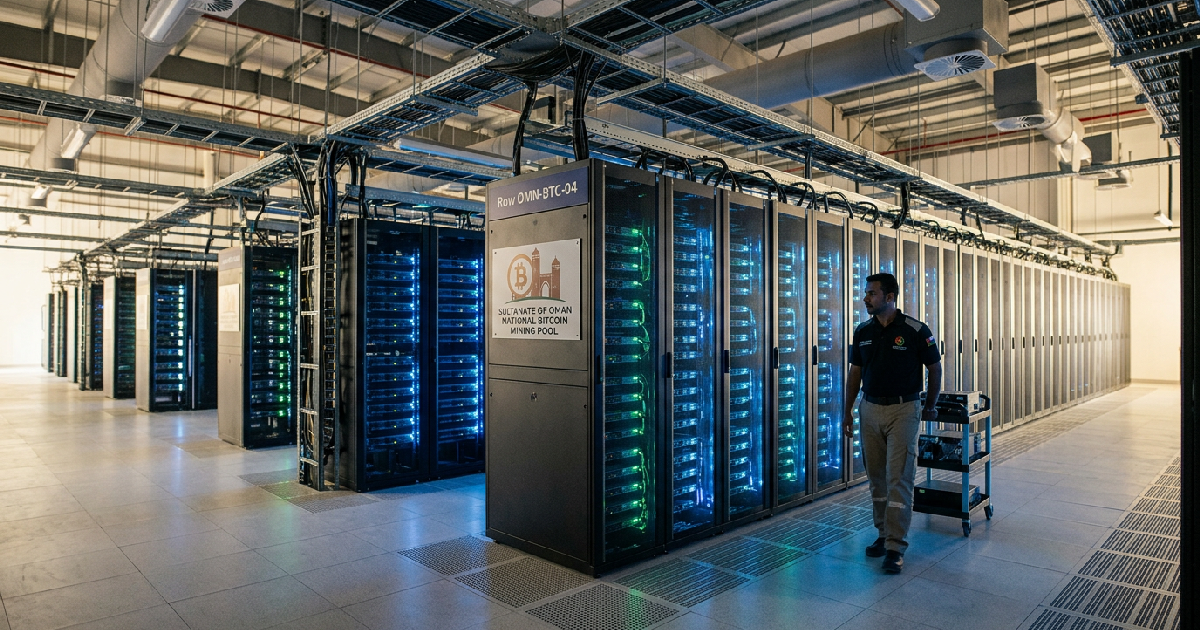
The Bitcoin mining industry is no longer defined by enthusiasts operating machines in garages or small warehouses. It has evolved into a capital-intensive business where scale, efficiency, and access to energy increasingly determine long-term success.
The network is becoming more industrial than ever before.
Mining Is Becoming a Global Infrastructure Business
The economics of Bitcoin mining have changed dramatically over the past decade.
Competition has intensified.
Mining equipment has become significantly more sophisticated.
Access to low-cost electricity has become a strategic advantage rather than a simple operational expense.
At the same time, publicly traded mining companies have attracted institutional capital, expanded their operations across multiple jurisdictions, and invested heavily in specialized infrastructure.
Mining today resembles a large-scale industrial sector far more than an experimental technology business.
The steady growth of Bitcoin’s hash rate reflects that transformation.
Each new record suggests that miners continue deploying additional capital despite short-term market volatility.
Higher Hash Rate Means More Than Stronger Security
A growing hash rate is often associated with improved network security.
That remains true.
The greater the computational power protecting Bitcoin, the more expensive it becomes for malicious actors to attack the blockchain.
But security is only part of the story.
Sustained hash rate growth also demonstrates confidence.
Mining companies commit enormous financial resources to hardware, facilities, and long-term energy contracts.
Those investments are made with expectations measured in years rather than weeks.
When miners continue expanding their operations despite uncertain market conditions, they are effectively expressing confidence in Bitcoin’s long-term economic viability.
That signal often receives less attention than price movements.
It may ultimately prove more meaningful.
The Future of Bitcoin May Depend on Its Infrastructure
Bitcoin’s success has never depended solely on demand from investors.
It also depends on the resilience of the network supporting every transaction.
Mining forms the foundation of that resilience.
As the industry becomes increasingly professionalized, Bitcoin itself becomes more difficult to replicate, attack, or replace.
This does not eliminate challenges.
Energy policy, mining concentration, hardware supply chains, and geopolitical risks will continue shaping the industry’s future.
Yet the overall direction appears increasingly clear.
Bitcoin mining is evolving into a mature global industry supported by institutional investment, technological innovation, and long-term infrastructure development.
The latest hash rate record is therefore more than another technical achievement.
It is another reminder that while markets continue debating Bitcoin’s next price movement, the network itself quietly continues becoming stronger.
Price cycles create headlines.
Infrastructure creates permanence.
Bitcoin’s mining industry appears to understand that distinction better than anyone.