
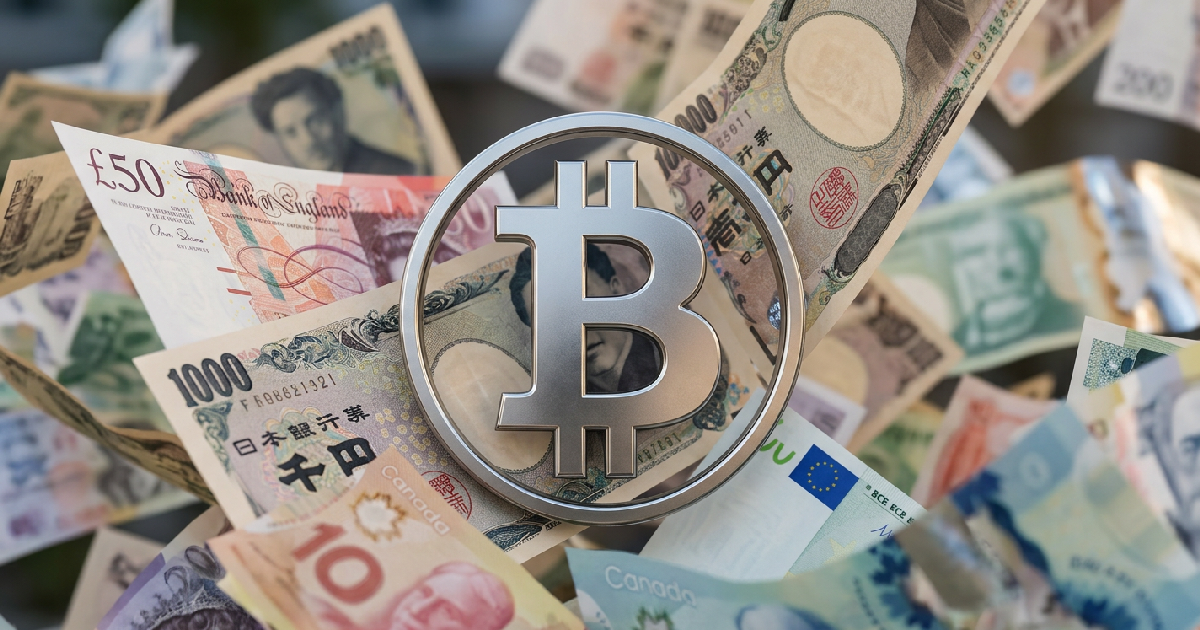

Global financial markets are witnessing a significant expansion of liquidity as central banks and international monetary conditions shift, potentially driving a new wave of capital into scarce digital assets like Bitcoin. This surge in available cash and credit, often referred to as global liquidity, is reaching levels that historically precede major movements in high-beta and fixed-supply assets. Analysts monitoring the macroeconomic environment suggest that this provides a supportive backdrop for the cryptocurrency market, which has often served as a barometer for monetary expansion.
The relationship between the total amount of money circulating in the global economy and the price of Bitcoin has tightened over the last several cycles. When liquidity is abundant, investors typically move out of low-yield cash positions and into riskier or scarcer alternatives. Because the supply of Bitcoin is mathematically capped at 21 million coins, it often acts as a sponge for excess capital that enters the system. This trend is particularly relevant now as various leading economies signal a move toward more accommodative fiscal or monetary policies.
Recent data indicates that the global liquidity index is trending upward, moving away from the restrictive lows seen during the height of the inflation-fighting era. This shift is credited to a combination of government spending programs and tactical adjustments by central banks. As more currency units enter the system, the relative value of fixed-supply assets tends to appreciate. This dynamic is a primary reason why many institutional desks are closely watching the Bitcoin fund inflows as a sign of broader market health.
Monetary Expansion and the Appeal of Hard Assets
The current cycle differs from previous ones due to the increased participation of traditional financial institutions. Unlike the retail-led rallies of 2017 or 2021, the market is now reacting to structural shifts in how liquidity reaches the digital asset sector. The approval of spot-based investment products in the United States and other regions has created a direct pipeline for this surging liquidity to move from traditional bank accounts into the crypto ecosystem.
When the Federal Reserve or other major central banks adjust their balance sheets, the resulting ripple effect alters how portfolios are constructed. Wealth managers looking to hedge against the potential debasement of fiat currencies often turn to “hard” assets. While gold has traditionally served this role, Bitcoin’s digital nature and ease of transfer have made it a modern alternative. Understanding how investors can get in on crypto without direct custody has become a vital part of this new capital flow.
The Role of Interest Rates and Inflation Hedges
Interest rate decisions remain a secondary but vital component of the liquidity story. If rates stabilize or begin to decline, the cost of borrowing drops, further increasing the amount of capital available for deployment. This environment often leaves investors searching for yield or capital appreciation in sectors that are decoupled from traditional industrial cycles. Bitcoin fits this profile because its issuance schedule is independent of government policy or economic performance.
Market observers note that during periods of high liquidity, the volatility of digital assets can actually become a draw for speculators. The influx of capital tends to reduce the impact of individual large trades, potentially leading to more sustained upward trends rather than erratic price spikes. This stabilizing effect of deep liquidity is what many believe will eventually help Bitcoin hold support at higher price levels during the next phase of the market cycle.
Future Projections for Scarce Digital Capital
The long-term outlook for Bitcoin in a high-liquidity environment depends largely on the persistence of fiscal deficits and the continued adoption of digital ledger technology. If governments continue to run significant deficits, the necessity for central banks to manage debt through monetary expansion remains high. In such a scenario, the “scarcity premium” of Bitcoin becomes more pronounced.
Wait-and-see approaches are common among conservative investors, but the technical indicators regarding global money supply suggest the window for lower-entry valuations may be narrowing. While macroeconomic shocks can always provide temporary setbacks, the underlying trend of increasing global liquidity remains a powerful tailwind for the entire digital asset industry. The coming months will likely reveal whether this capital surge can push prices beyond previous historical boundaries.