

Tokenization started with a relatively simple idea: take an asset that already exists and create an onchain representation of it.
Funds, government bonds, private credit and, more recently, equities have all followed that path. The infrastructure changed, but the asset itself was still largely created inside the traditional financial system.
Securitize is now trying to move one step earlier.
The company has partnered with Cantor Fitzgerald to enable companies to conduct IPOs and follow-on offerings using blockchain infrastructure. Rather than bringing a stock onchain only after it exists, the model would introduce blockchain at the point where companies actually raise capital and issue securities to investors.
The distinction may seem technical. Its implications are much larger.
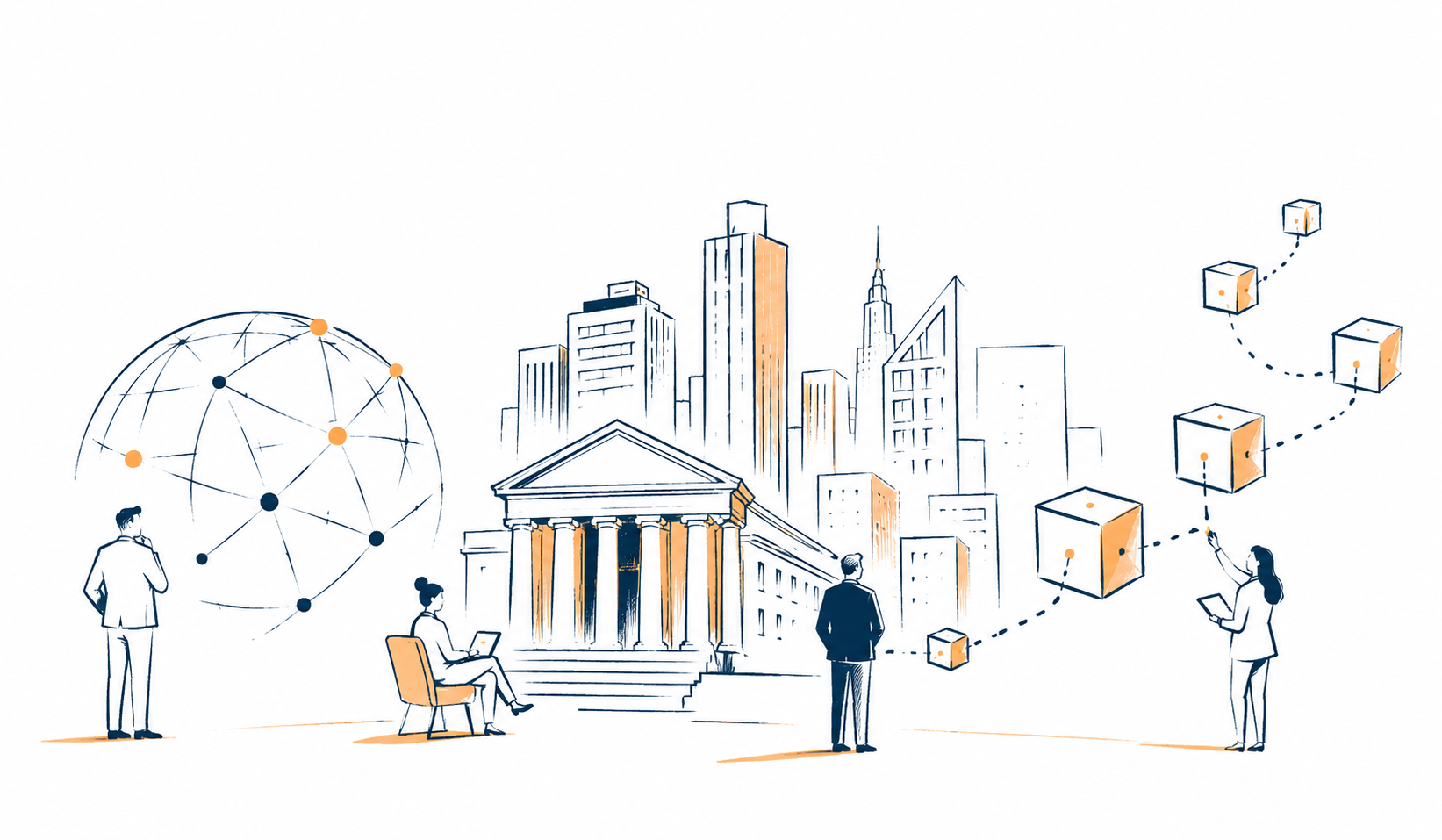
Tokenization is beginning to move from the asset to the market that creates it.
Tokenizing a Stock Is Different From Tokenizing Its Origin
Much of the recent growth in tokenized equities begins after traditional markets have already done the essential work.
A company goes public. Its shares are issued and registered through conventional infrastructure. Blockchain then provides another way to represent, distribute or access those securities.
The Securitize-Cantor partnership is designed to change that sequence.
Cantor brings its capital-markets and trading infrastructure, while Securitize provides the technology for issuing, distributing and administering tokenized securities. Together, the companies want to make onchain IPOs and follow-on offerings possible without abandoning the regulatory framework governing public securities.
Blockchain would no longer be simply another destination for an existing asset.
It would become part of how that asset enters the market.
That moves tokenization toward something much more consequential than creating digital versions of traditional stocks.
More of the Market Is Moving Onchain
The IPO initiative is not happening in isolation.
In May, Securitize received FINRA approval to expand its broker-dealer activities to include custody of tokenized securities and atomic settlement against stablecoins. In July, the company brought its own shares onchain alongside its NYSE debut. Its Securitize Capital division has also registered with the SEC as an investment adviser.
Taken together, those moves reveal a broader strategy.
Issuance, recordkeeping, custody, trading and settlement are separate pieces of the infrastructure that allows capital markets to function.
As blockchain begins to reach more of those layers, tokenization becomes harder to describe as simply a new wrapper for traditional assets.
What is changing is the architecture underneath them.
The Next Phase Starts Before Trading
None of this means stock exchanges, clearing infrastructure or traditional intermediaries are about to disappear.
The Securitize Cantor initiative itself is being developed within the existing regulatory framework, which suggests that blockchain is more likely to modernize parts of capital-market infrastructure than replace the entire system.
What matters is how far that modernization is beginning to reach. The first wave of tokenization focused on bringing existing assets onchain, from funds and government securities to private credit and, increasingly, equities.
The next phase raises a more fundamental question: how much of the process used to create, distribute and settle those assets can move onchain as well?
That is what makes Securitize’s latest push significant. The company is not simply trying to change how stocks trade after they reach the market; it is bringing blockchain closer to the point where those securities are issued and capital is raised in the first place.
If that transition continues, tokenization’s biggest impact may not be putting Wall Street assets onchain. It may be changing the infrastructure through which those assets come into existence, turning blockchain from an alternative venue for financial products into part of the architecture of the capital market itself.