
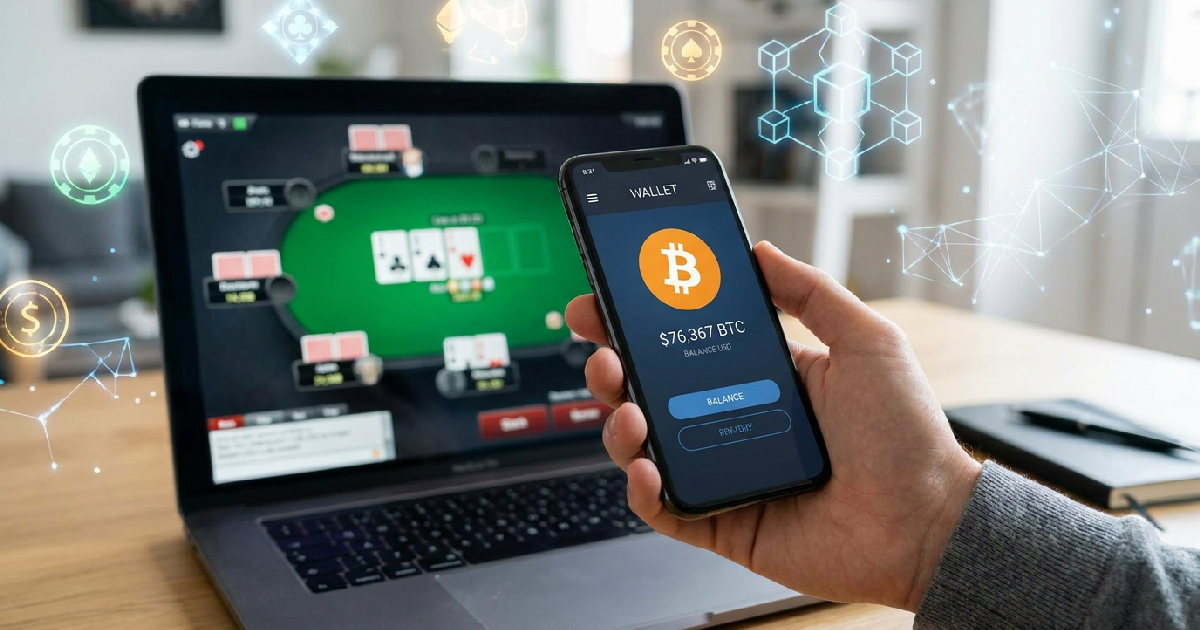

Online gaming platforms are seeing a noticeable surge in cryptocurrency adoption, with a growing number of players choosing digital assets for funding poker and other online games. This shift reflects a strategic choice for many, driven by compelling operational advantages like speed and global accessibility, while also acknowledging the inherent risks involved in a still-evolving digital landscape.
For players, the decision to engage with crypto online gaming isn’t merely about embracing new technology. It’s about leveraging specific benefits that traditional payment methods often can’t match, even as they navigate a nascent regulatory environment and market volatility.
Operational benefits driving crypto gaming adoption
One of the most immediate draws for players is the marked improvement in transaction efficiency. Cryptocurrency payments, both for deposits and withdrawals, consistently outperform traditional banking methods that can take days, or even weeks, to finalize.
Many online poker platforms now boast near-instant funding. Withdrawals are often processed within minutes or hours; for example, ACR typically clears crypto withdrawals in an hour, BetOnline within 24 hours, and Bovada usually within 60 minutes. Platforms like CoinPoker and BC.Poker often handle withdrawals almost instantly, though blockchain network congestion can sometimes affect final delivery times.
Expedited transactions and reduced fees
This speed comes directly from the decentralized architecture of cryptocurrencies, bypassing intermediaries like banks and credit card processors. The absence of these middlemen also translates into significantly lower transaction fees for users.
A transfer of $10,000 worth of Bitcoin (BTC) to an online poker site might incur a network fee of approximately $0.50. This is a stark contrast to the percentage-based fees typically charged by traditional wire services or credit card companies. Lower processing costs can also allow some crypto poker rooms to offer slightly lower rake structures, benefiting players directly.
Enhanced privacy and global reach
Privacy stands as another crucial factor propelling crypto adoption in online gaming. Players can fund their accounts and withdraw winnings directly from their crypto wallets without needing to share sensitive full banking details.
This offers a degree of anonymity often preferred by gamers, especially since these transactions do not appear on traditional bank statements. Some no-KYC (Know Your Customer) crypto casinos even permit play without submitting personal identification documents, streamlining onboarding and reducing identity theft risks.
Moreover, cryptocurrencies are inherently borderless, operating independently of national banking restrictions. This global accessibility opens up online gaming, particularly online poker crypto, to players in regions with strict gambling regulations or limited access to conventional banking services. It also allows crypto poker rooms to attract diverse international player pools, transcending geographical limitations.
The appeal of security and trust in crypto gaming
Beyond transactional advantages, the underlying technology of cryptocurrencies contributes to a heightened sense of security and transparency. Blockchain, the distributed ledger technology that powers digital assets, offers robust protection against fraud and tampering.
Every transaction gets recorded on a public blockchain, creating an immutable and traceable record that makes it nearly impossible to manipulate game outcomes or alter historical data. This inherent transparency fosters a new level of trust for players.
Blockchain’s role in fair play
Many crypto casinos integrate “provably fair” game systems, employing cryptographic algorithms to let players independently verify the randomness and fairness of game results. This technical assurance builds confidence in the integrity of the gaming platform.
It’s a significant differentiator from traditional online casinos, where the fairness of algorithms is often taken on faith. The ability to audit game outcomes directly empowers players in a new way.
Player control over funds and flexibility
Cryptocurrencies also empower players with greater control over their funds through self-custody. Users can hold their assets in personal wallets, only depositing the amounts needed for a specific session and withdrawing winnings immediately after play.
This reduces reliance on third-party platforms holding substantial player funds, mitigating risks associated with platform compromises. The flexibility extends to token support, with sites accepting Bitcoin (BTC), Ethereum (ETH), Litecoin (LTC), Bitcoin Cash (BCH), USDT, USDC, XRP, Solana (SOL), Dogecoin (DOGE), and BNB, allowing players to manage transaction costs and volatility.
Navigating volatility and regulatory uncertainty
While the benefits are clear, players engaging in crypto online gaming must also contend with significant drawbacks. The most prominent of these is the inherent price volatility of most cryptocurrencies.
The value of digital assets can fluctuate dramatically in short periods. This means a player’s deposit might decrease in value before they even start playing, or their winnings could be worth less by the time they’re withdrawn. Stablecoins like USDT and USDC are increasingly used to mitigate this risk, offering a peg to fiat currencies like the US dollar.
The evolving regulatory landscape and its risks
The legal status of crypto gambling remains a patchwork globally, often existing in a “grey area.” Many crypto gambling sites operate under offshore licenses, which might not provide the same stringent regulatory oversight or consumer protections as more established jurisdictions.
The irreversible nature of blockchain transactions adds another layer of risk; once a payment is made, it cannot be undone. This leaves little recourse for players in cases of disputes or platform shutdowns, without an intermediary to help recover funds.
Technical knowledge and platform security concerns
Using cryptocurrencies for online gaming requires a foundational understanding of digital wallets and transaction processes, which can be a barrier for some. Converting crypto winnings back into fiat currency can also be complex and time-consuming, involving additional fees and potential regulatory hurdles.
While blockchain technology itself is secure, the platforms hosting crypto games are still vulnerable to hacking and scams. Funds held on these platforms are susceptible to seizure if the platform’s security is compromised, underscoring the need for players to use secure wallets and enable two-factor authentication (2FA).
Broader implications for online gaming
The increasing integration of cryptocurrencies points to a broader trend within online entertainment. Players are actively seeking more choices and more adaptable gaming experiences, aligning with the digital-first nature of modern gaming and its diverse formats.
This dynamic ensures that crypto will likely remain a significant, albeit evolving, payment option for online poker and other gaming activities. The blend of innovation and caution defines this segment of the industry.