
Close Menu
  • Markets
    • Spot Market
      • Market Overview
      • Top Gainers / Losers
      • Market Cap Charts
      • Reviews
    • Futures Market
      • Market Overview
      • Funding Rate
      • Liquidations
      • Long Short/Ratio
  • Metrics
    • Dashboard
    • Whale tracker
    • Market Heatmap
    • Funding Rates
  • News
    • Bitcoin
    • Ethereum
    • Altcoins
  • Prediction
  • Opinion
  • Calendar
  • Live Feed
What's Hot

Michael Saylor Sells 3,588 BTC to Fund Dividends

July 7, 2026

CFTC Charges North Carolina Man with $14 Million Crypto Fraud

July 7, 2026

Bitcoin Asia Offers Students $21 GA Tickets

July 7, 2026

Anthropic Removes Claude Code Tracker Amid Privacy Concerns

July 7, 2026

MicroStrategy Stock Price Outlook for July 2026 Examined

July 7, 2026

SBI Holdings Invests $76M in EDX Markets, Aiding OCC Charter

July 7, 2026

Robert Kiyosaki Recommends Bitcoin After Gold Advice Fails

July 7, 2026

Sam Altman’s AI Predicts Wild Bitcoin Price Rise by 2026

July 7, 2026

Europe’s MiCA Regulation Approves Zero Crypto-Assets

July 7, 2026

Base network handles $565B in stablecoins, challenging Ethereum’s payment dominance.

July 7, 2026
Facebook X (Twitter) Instagram
Daily Crypto News
  • Markets
    • Spot Market
      • Market Overview
      • Top Gainers / Losers
      • Market Cap Charts
      • Reviews
    • Futures Market
      • Market Overview
      • Funding Rate
      • Liquidations
      • Long Short/Ratio
  • Metrics
    • Dashboard
    • Whale tracker
    • Market Heatmap
    • Funding Rates
  • News
    • Bitcoin
    • Ethereum
    • Altcoins
  • Prediction
  • Opinion
  • Calendar
  • Live Feed
Dashboard
Daily Crypto News
Home»Opinion»Why the U.S. Bitcoin Reserve is proving harder to build than expected
Strategic Bitcoin Reserve US
Opinion

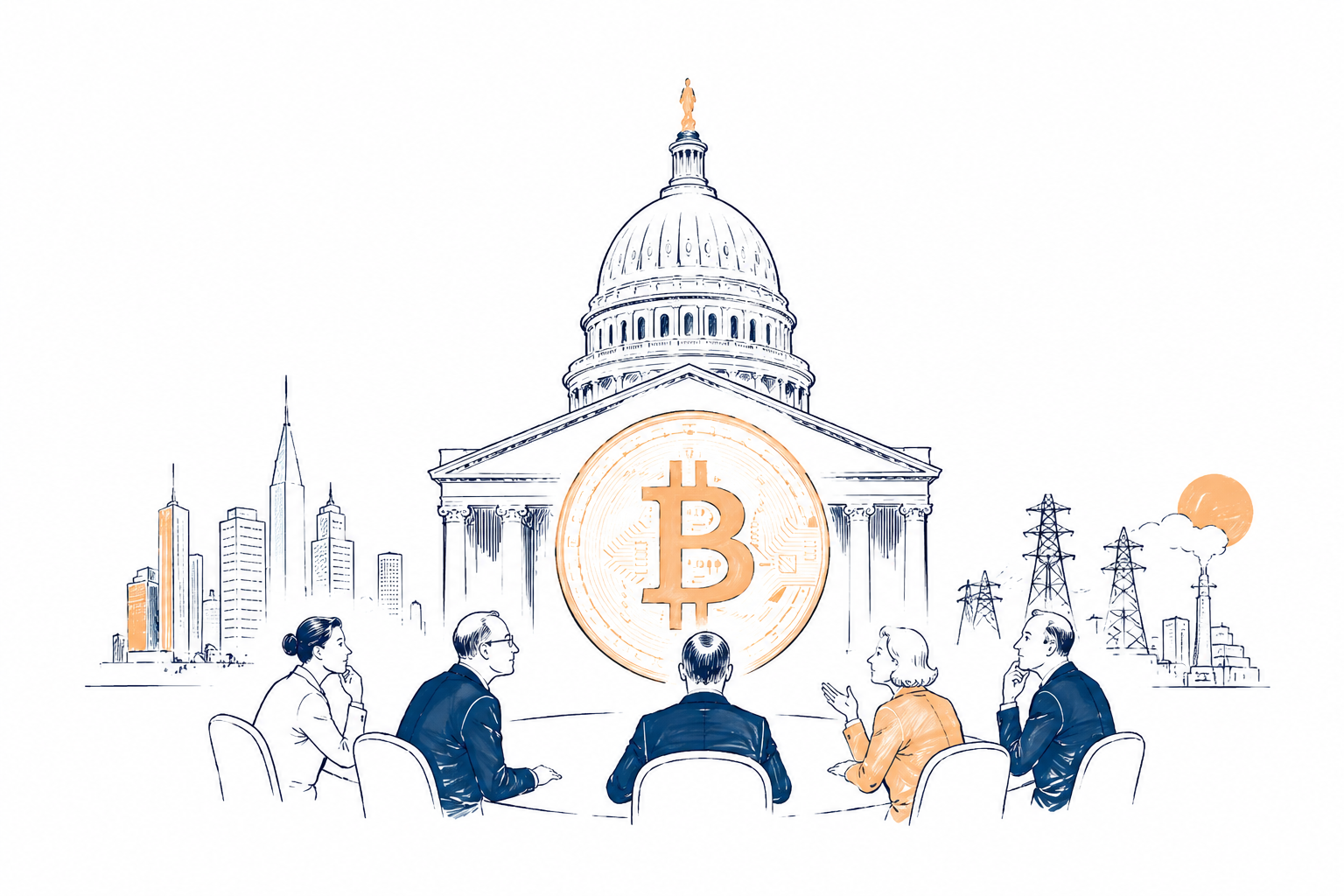
Why the U.S. Bitcoin Reserve is proving harder to build than expected

Diego AlmeidaBy Diego AlmeidaJuly 7, 20263 Mins Read
Share
Facebook Twitter LinkedIn Pinterest Email

Creating a Strategic Bitcoin Reserve sounded straightforward when the White House first announced the initiative.

The plan was to preserve government-owned Bitcoin as a long-term national asset while exploring budget-neutral ways to expand those holdings over time. Several months later, however, the project has entered a far more complicated phase.

According to recent reports, U.S. government agencies are still debating how the reserve should be managed, who should oversee it and what legal framework will ultimately govern its operation.

Rather than discussing whether the reserve should exist, policymakers are now focused on how a sovereign government can manage a digital asset unlike anything previously held as part of its strategic reserves.

The debate has shifted from politics to governance

The conversation surrounding the Strategic Bitcoin Reserve has evolved significantly.

Earlier discussions centered on whether the federal government should recognize Bitcoin as a strategic asset. That question has largely been answered following the executive order establishing the reserve framework.

The challenge now is institutional.

Officials must determine which department will assume responsibility for custody, oversight and long-term management. Reports indicate that multiple agencies, including the Treasury Department and the Department of Commerce, are involved in shaping the reserve’s future governance structure.

The decision carries implications far beyond administrative organization. Whoever oversees the reserve could influence transparency standards, custody procedures and future policy regarding additional Bitcoin acquisitions.

Bitcoin does not fit existing government reserve models

Unlike gold, foreign currency reserves or the Strategic Petroleum Reserve, Bitcoin has no historical precedent within the U.S. government’s asset management framework.

That creates a series of practical questions.

How should digital assets be securely stored?

Who controls access to the private keys?

What auditing standards should apply?

How should the reserve be reported to the public?

These operational issues may ultimately determine the credibility of the initiative as much as the reserve itself.

Building the legal framework could take time

Another reason for the slower-than-expected rollout is the legal complexity surrounding the project.

While the executive order established the concept of a Strategic Bitcoin Reserve, many operational details were intentionally left open for further review. Federal agencies continue evaluating custody models, governance procedures and the legal authorities required to administer digital assets on behalf of the U.S. government.

That process suggests the reserve is evolving from a political announcement into a long-term institutional project.

A precedent other governments may follow

The outcome of the U.S. initiative is likely to influence governments around the world.

Most countries have historically auctioned seized Bitcoin after legal proceedings concluded. The United States is exploring a different approach by treating at least part of those holdings as a permanent strategic asset.

If the governance model proves successful, other nations could eventually consider similar policies.

For now, the biggest question is no longer whether America will have a Strategic Bitcoin Reserve.

It is whether the government can build an institutional framework capable of managing a decentralized digital asset with the same level of credibility expected from traditional national reserves.

crypto executive order 2026 sovereign Bitcoin reserve Strategic Bitcoin Reserve US US government Bitcoin custody US Treasury Bitcoin
Share. Facebook Twitter Pinterest LinkedIn Tumblr Email

Related Posts

Ondo says tokenized stocks are only the beginning of onchain finance

July 7, 2026

SEC’s new crypto agenda signals a shift from enforcement to rulemaking

July 7, 2026

Stablecoins Pros and Cons: What Are They and Are They Really Safe?

July 7, 2026

The Ultimate Guide to Crypto Micropayments: Building the Pay-Per-Use Digital Economy

July 7, 2026

Recent Posts

  • Michael Saylor Sells 3,588 BTC to Fund Dividends
  • CFTC Charges North Carolina Man with $14 Million Crypto Fraud
  • Bitcoin Asia Offers Students $21 GA Tickets
  • Anthropic Removes Claude Code Tracker Amid Privacy Concerns
  • MicroStrategy Stock Price Outlook for July 2026 Examined
Top Posts

Ondo says tokenized stocks are only the beginning of onchain finance

July 7, 2026

SEC’s new crypto agenda signals a shift from enforcement to rulemaking

July 7, 2026

Stablecoins Pros and Cons: What Are They and Are They Really Safe?

July 7, 2026

Stay updated with the latest crypto news, market trends, and expert insights. We provide accurate and timely information to help you make better decisions.

Facebook X (Twitter) Instagram Pinterest YouTube
Our Resources
  • About Us
  • Privacy Policy
  • Editorial Policy
  • Legal Disclaimer
  • Contact us
Categories
  • Altcoins
  • Prediction
  • Opinion
  • Guides
  • Reviews
  • Bitcoin
  • Ethereum
Recent Posts
  • Michael Saylor Sells 3,588 BTC to Fund Dividends
  • CFTC Charges North Carolina Man with $14 Million Crypto Fraud
  • Bitcoin Asia Offers Students $21 GA Tickets
  • Anthropic Removes Claude Code Tracker Amid Privacy Concerns
© 2026 Daily Crypto News

Type above and press Enter to search. Press Esc to cancel.