
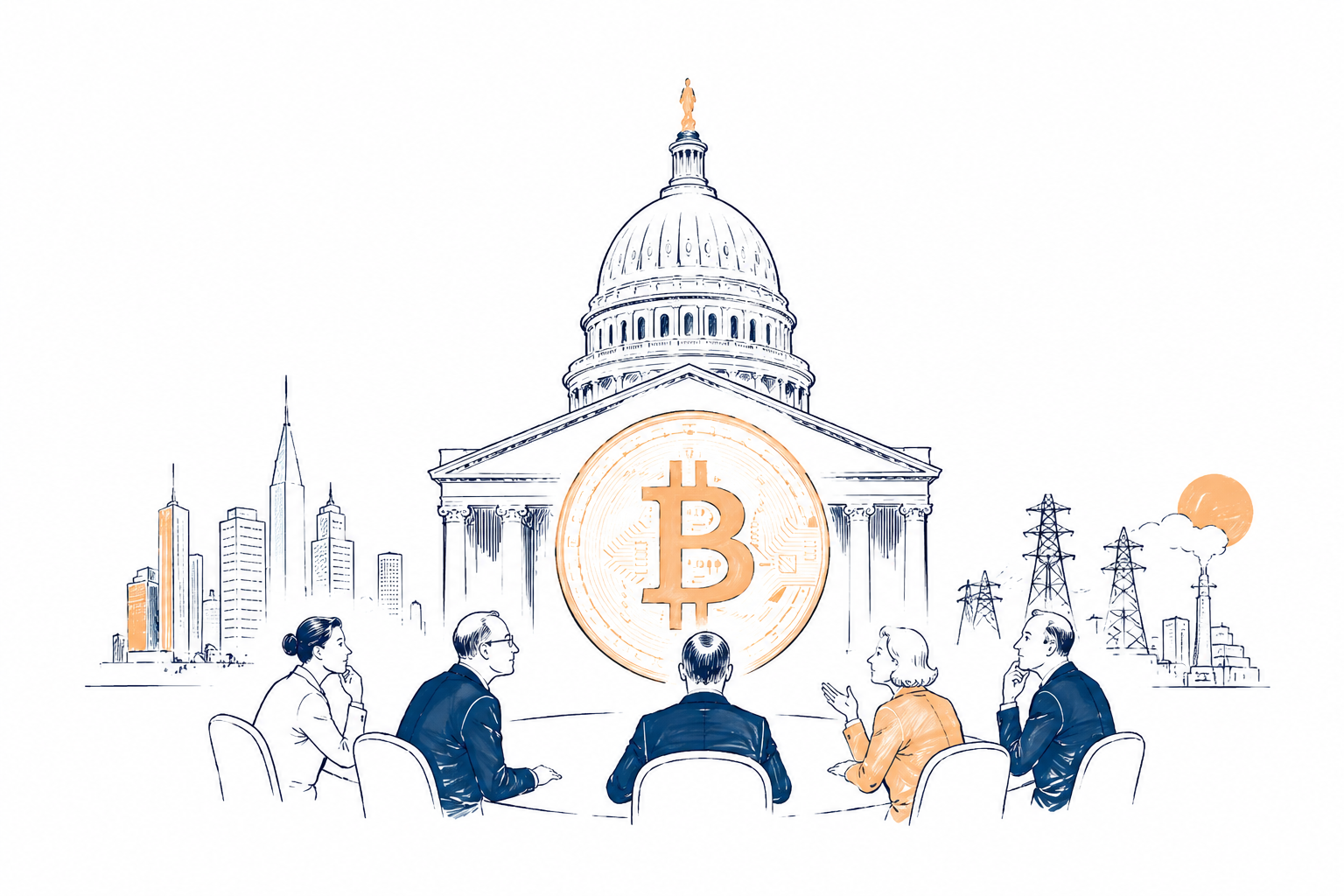

Creating a Strategic Bitcoin Reserve sounded straightforward when the White House first announced the initiative.
The plan was to preserve government-owned Bitcoin as a long-term national asset while exploring budget-neutral ways to expand those holdings over time. Several months later, however, the project has entered a far more complicated phase.
According to recent reports, U.S. government agencies are still debating how the reserve should be managed, who should oversee it and what legal framework will ultimately govern its operation.
Rather than discussing whether the reserve should exist, policymakers are now focused on how a sovereign government can manage a digital asset unlike anything previously held as part of its strategic reserves.
The debate has shifted from politics to governance
The conversation surrounding the Strategic Bitcoin Reserve has evolved significantly.
Earlier discussions centered on whether the federal government should recognize Bitcoin as a strategic asset. That question has largely been answered following the executive order establishing the reserve framework.
The challenge now is institutional.
Officials must determine which department will assume responsibility for custody, oversight and long-term management. Reports indicate that multiple agencies, including the Treasury Department and the Department of Commerce, are involved in shaping the reserve’s future governance structure.
The decision carries implications far beyond administrative organization. Whoever oversees the reserve could influence transparency standards, custody procedures and future policy regarding additional Bitcoin acquisitions.
Bitcoin does not fit existing government reserve models
Unlike gold, foreign currency reserves or the Strategic Petroleum Reserve, Bitcoin has no historical precedent within the U.S. government’s asset management framework.
That creates a series of practical questions.
How should digital assets be securely stored?
Who controls access to the private keys?
What auditing standards should apply?
How should the reserve be reported to the public?
These operational issues may ultimately determine the credibility of the initiative as much as the reserve itself.
Building the legal framework could take time
Another reason for the slower-than-expected rollout is the legal complexity surrounding the project.
While the executive order established the concept of a Strategic Bitcoin Reserve, many operational details were intentionally left open for further review. Federal agencies continue evaluating custody models, governance procedures and the legal authorities required to administer digital assets on behalf of the U.S. government.
That process suggests the reserve is evolving from a political announcement into a long-term institutional project.
A precedent other governments may follow
The outcome of the U.S. initiative is likely to influence governments around the world.
Most countries have historically auctioned seized Bitcoin after legal proceedings concluded. The United States is exploring a different approach by treating at least part of those holdings as a permanent strategic asset.
If the governance model proves successful, other nations could eventually consider similar policies.
For now, the biggest question is no longer whether America will have a Strategic Bitcoin Reserve.
It is whether the government can build an institutional framework capable of managing a decentralized digital asset with the same level of credibility expected from traditional national reserves.