
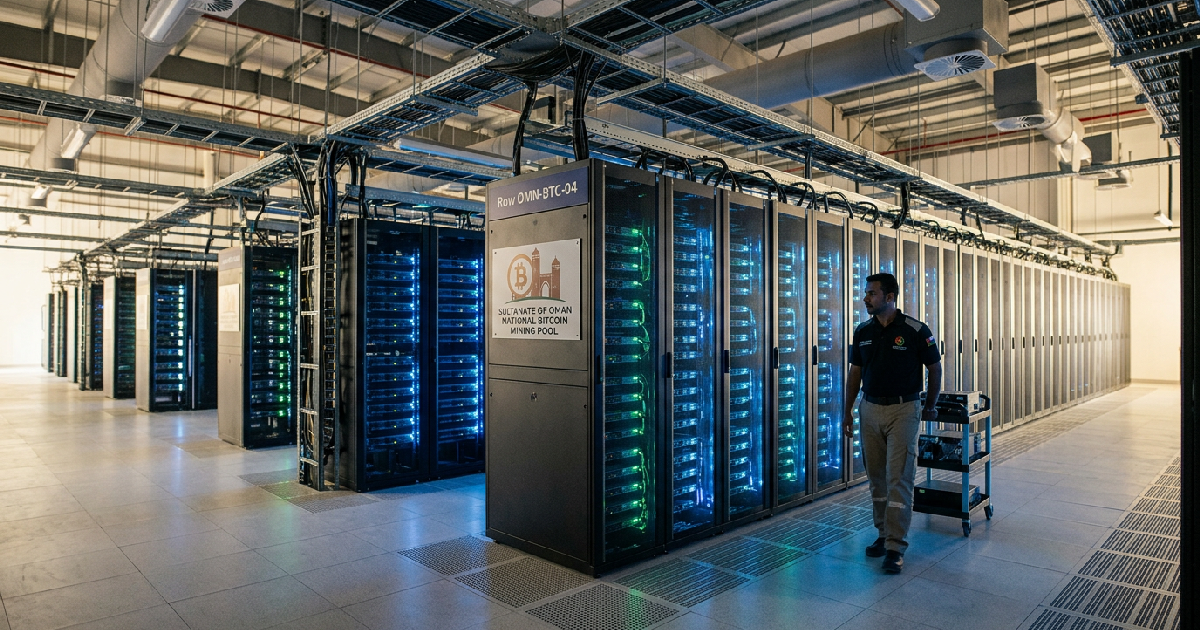

Reports emerged on June 17, 2026, indicating that the Sultanate of Oman is moving toward a sovereign regulatory framework for digital asset production. According to NewsBTC, the nation is reportedly launching a national Bitcoin mining pool as part of a broader effort to integrate the sector into its state-led economic systems.
This move represents a shift in how the Gulf nation oversees computational power within its borders.
The reported initiative seeks to centralise domestic mining activities under a sovereign umbrella. By encouraging or requiring operators to use a national pool, authorities aim to secure better visibility into energy consumption and financial flows. This development follows a period of increasing interest from Middle Eastern governments in using their energy surpluses for data-heavy industrial applications like crypto mining.
Market observers note that such a strategy could help the Omani government manage its electrical grid more effectively. While the full technical details of the implementation remain unconfirmed, the shift mirrors global trends where states seek greater oversight of the cryptocurrency industry. This has been seen in recent discussions regarding strategic Bitcoin infrastructure in other major economies.
Oman focuses on sovereign oversight of Bitcoin mining
The proposed national pool would likely serve as a central hub for all registered mining entities operating in Oman. This structure would allow the state to monitor the output of industrial-scale facilities. Proponents of the move suggest it will help eliminate unregulated mining operations that can strain the national power grid without contributing to the formal economy.
And while state involvement provides a sense of legitimacy, it also changes the landscape for private investors who generally prefer decentralised options. The Omani government reportedly views this sovereign regulatory push as a way to provide a stable, long-term environment for capital. This approach is designed to mitigate the risks of sudden regulatory shifts that have impacted miners in less regulated regions.
The strategy appears to align with Oman’s “Vision 2040,” a national plan to diversify the economy and reduce dependence on petrochemicals. By formalising the lifecycle of digital asset production, the government is treating the domestic hash rate as a valuable resource. As analysts forecast market structure shifts in the coming years, industrial-scale participation is becoming more common.
Energy management and the role of national infrastructure
Effective energy management is a primary driver behind the reported regulatory overhaul. Oman has worked to monetise its surplus energy, and a national pool provides a digital ledger for usage. This ensures that mining operations comply with specific industrial tariffs and operate within designated power windows to avoid destabilizing the grid during peak hours.
For existing operators, the transition to a state-led model offers a trade-off between autonomy and legal protection. A national pool can offer consistent payouts by aggregating domestic hash power, but it also limits the choice of payout structures. Many industry participants are weighing these factors against the stability offered by a government-sanctioned framework.
Furthermore, the focus on a centralized pool addresses international concerns regarding financial transparency. By overseeing the mining process, Omani authorities can better verify the origin of digital assets before they are traded. This focus on compliance is a recurring theme as market confidence hinges on geopolitical shifts and regulatory clarity across the globe.
Implications for the regional digital asset landscape
This initiative may provide a template for other energy-rich nations in the Gulf region. It suggests that states can support the growth of the Bitcoin mining industry while maintaining strict control over financial and energy ecosystems. Successful implementation could make Oman a destination for international firms seeking a regulated environment for large-scale operations.
The international community is monitoring whether this level of state intervention supports or hinders innovation. For now, the Omani approach focuses on building a foundation of infrastructure and oversight. This sovereign-led model treats Bitcoin mining more like a traditional utility or a strategic export than a speculative technological niche.
Specific technical requirements for joining the pool and the associated fee structures have not yet been fully detailed in public reports. Local miners may soon face deadlines to align their hardware with the new national system. The outcome of this regulatory push will likely determine Oman’s position in the global digital economy for the next decade.