

The Clarity Act is heading back into the Senate with fresh language, new provisions for decentralized finance and a familiar problem: lawmakers still cannot agree on what comes next.
Republican senators circulated a revised version of the Digital Asset Market Clarity Act on Thursday, September 11, ahead of a procedural vote scheduled for Tuesday, September 15. The bill needs 60 votes to move forward, making Democratic support essential.
At first glance, the latest draft looks like progress. Republicans say they have spent months folding Democratic requests into the legislation, while several of the most closely watched changes concern DeFi and traditional financial institutions moving into digital assets.
But the politics remain messy enough to make the outcome difficult to predict.
The Clarity Act is getting more precise on DeFi
The revised Clarity Act adds new requirements for decentralized finance projects, including rules covering when certain DeFi activities would have to register with the Commodity Futures Trading Commission and comply with Bank Secrecy Act obligations.
The new language also draws a sharper line around what the bill is actually trying to regulate. According to Republican Senator Cynthia Lummis, the DeFi provisions are intended to address spot-market and cash transactions involving digital commodities, rather than prediction markets.
The draft also gives credit unions more clarity around how they can participate in digital-asset activities, adding another piece to legislation designed to define which regulators should oversee different parts of the crypto economy.
Much of the bill, however, remains broadly similar to earlier versions. The larger objective is unchanged: create a federal framework for digital assets instead of leaving major questions to regulators such as the SEC and CFTC through rulemaking.
Lummis, one of the legislation’s leading negotiators, framed that distinction as a question of permanence. “We have incorporated more than 114 separate provisions at my Democrat colleagues’ request, and as a result, this bill is a strong bipartisan product,” she said in a statement.
“Unlike rulemaking, legislation gives this industry a lasting solution that shields it from the whiplash of changes in the White House. Since the CFTC and SEC will write rules on digital assets with or without the Clarity Act, I believe a lasting, bipartisan compromise is the best route for America’s future.”
That argument is now colliding with a more immediate question: whether the Senate can actually assemble 60 votes.
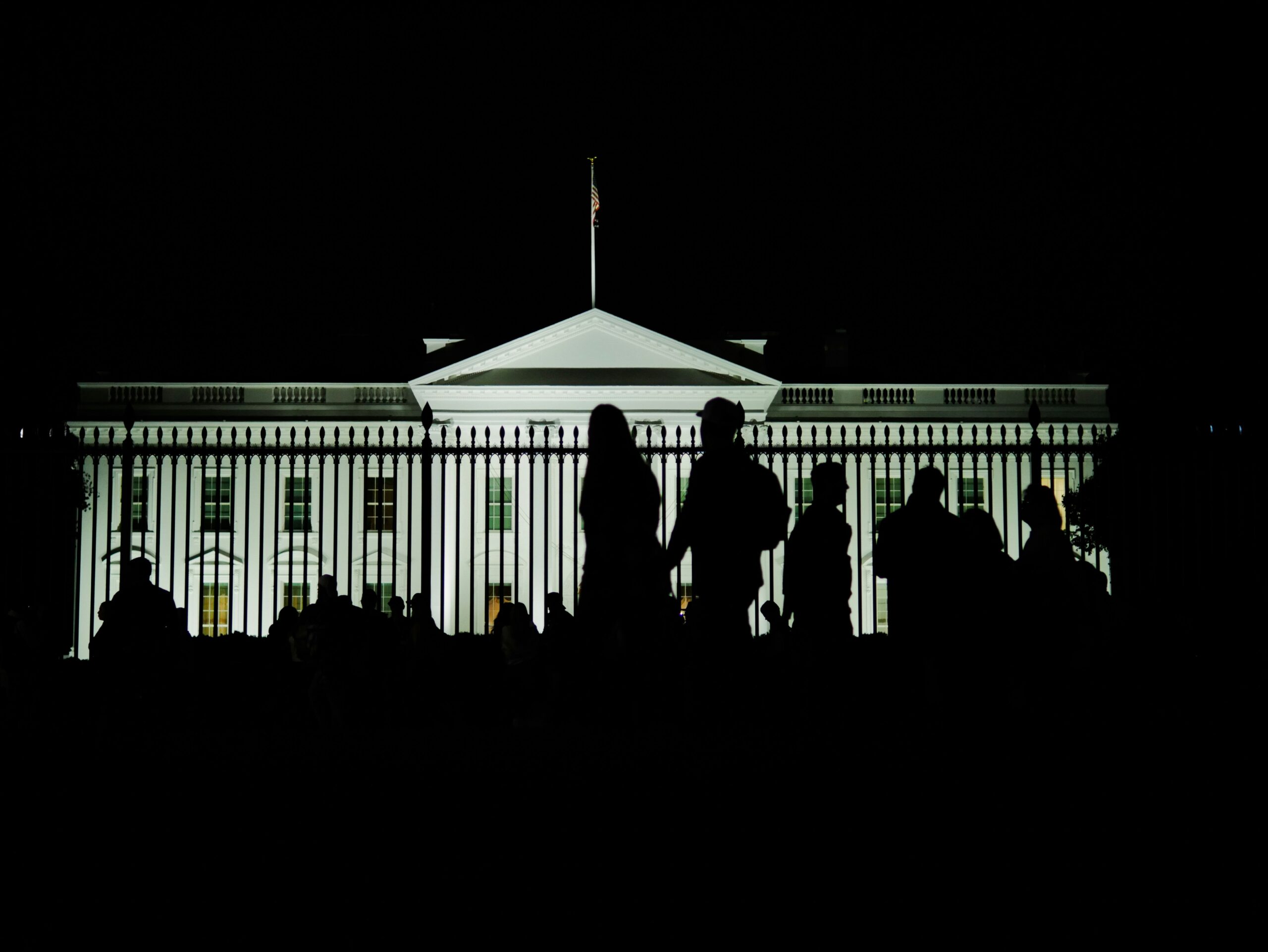
Democrats have continued to push for an ethics agreement that would limit President Donald Trump and other senior government officials from profiting from crypto businesses. Without a bipartisan agreement on that issue, several Democratic senators have said they will not support the legislation.
The White House has not closed that gap. Earlier this week, Republican Senator Thom Tillis told Semafor that the administration still needed to engage on a bipartisan proposal, while other Republicans have raised concerns about separate parts of the bill.
Meanwhile, White House crypto adviser Patrick Witt urged senators from both parties to support Tuesday’s procedural vote so negotiations can continue.
“All Senators, Republican and Democrat, should vote on Tuesday to get on the bill and allow the legislative process to continue,” Witt wrote on X.
Treasury Secretary Scott Bessent made a similar appeal, arguing that lawmakers should clear the first procedural hurdle rather than allow the legislation to stall.
“I strongly urge everyone to remain at the negotiating table, agree to the motion to proceed, and continue the legislative process,” Bessent wrote. “Failing to do so would send a troubling signal to our allies and adversaries alike that America is unwilling to lead on the future of digital assets and willing to forgo enhanced national security tools to combat their misuse.”
There is another fight bubbling underneath the DeFi provisions: stablecoin rewards.
In the weeks before the Senate’s summer recess, lawmakers were already divided over how the legislation should treat yield and rewards tied to stablecoins. On Thursday, the American Bankers Association, Independent Community Bankers of America and 77 state banking associations sent lawmakers an open letter calling for tighter limits on the rewards stablecoin companies can offer.
The pressure leaves the Clarity Act in an awkward position. Supporters see it as a rare chance to establish durable federal rules for digital assets. Opponents and skeptics are still focused on unanswered political and regulatory questions.
Cody Carbone, head of the Digital Chamber, said the latest version reflects years of negotiations and argued that the Senate should move quickly.
“The Senate must act now or risk ceding U.S. leadership in digital asset and blockchain innovation to the rest of the world.”
For now, though, the most important number is not 114 provisions or 60 votes. It is whether enough Democrats and Republicans can agree that the bill is worth advancing before they agree on everything else.
Rest assured, this content is strictly educational and does not constitute financial advice.