
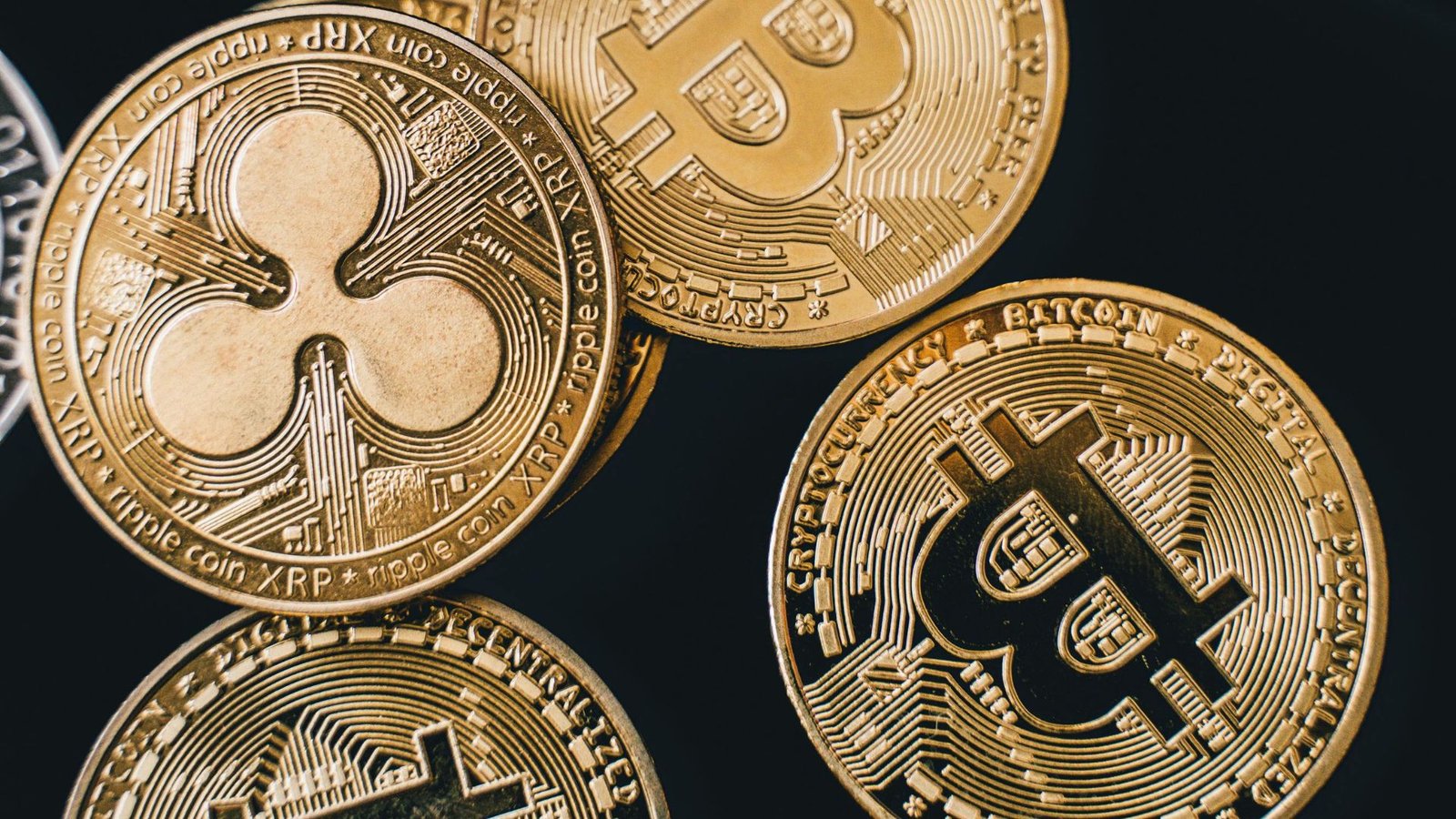

Identifying promising cryptocurrencies is no longer about chasing memes or deciphering cryptic tweets from billionaire influencers. We have entered an era of unprecedented maturity, the “digital casino” vibes of previous cycles have been replaced by the quiet, calculated hum of institutional infrastructure.
If you’re looking to move beyond surface-level speculation and build a portfolio that reflects real-world value, you need to learn how to separate the signal from the noise. Seeking out the most promising cryptocurrencies means understanding which networks are being utilized by global asset managers, which protocols are solving actual efficiency bottlenecks, and where “patient capital” is being parked for the long haul.
The New Standard: Utility Over Hype
Before we dive into specific sectors, we need to address a fundamental shift in the market. In 2021, a good narrative and a catchy logo were often enough to send a token to the moon. In 2026, the market demands proof of work—not just the cryptographic kind, but the business kind. A digital asset is only as promising as the utility it provides. If a token isn’t “fueling” a service, securing a network, or representing a tangible asset, its long-term viability is questionable.
The macro environment has also changed the way we view promising cryptocurrencies. With the consolidation of Spot ETFs on major exchanges like Coinbase and Kraken, the flow of money has become more professional. While volatility remains a characteristic of the space, it is increasingly driven by economic fundamentals—global liquidity and interest rate cycles—rather than retail panic. To invest successfully now, you must treat your digital assets with the same analytical rigor you would apply to a Silicon Valley tech stock.
Top Sectors for Long-Term Growth (The 3 Pillar Strategy)
To simplify your research, we’ve identified three technological pillars currently attracting the most significant developer activity and institutional capital. These categories house the networks with the highest potential for organic growth.
1. Real World Assets (RWA) – The $16 Trillion Opportunity
This is arguably the most significant trend of 2026. Tokenization of Real World Assets (RWA) involves bringing physical assets—such as real estate, US Treasury bills, gold, or even corporate debt—onto the blockchain. This allows these traditionally “slow” assets to be traded 24/7, settled instantly, and fractionalized for better liquidity.
Imagine owning a fraction of a commercial building in London or a piece of a diversified bond fund with the same ease as sending an email. Protocols that provide the security and regulatory compliance for these transactions are among the most promising cryptocurrencies, as they are essentially upgrading the legacy financial system from the inside out.
2. Layer 2 Scaling – Making Blockchain Invisible
Ethereum has established itself as the leading layer for smart contracts (self-executing agreements), but its success created a “traffic jam” of high fees. The solution? Layer 2 (L2) networks. These act as “express lanes” built on top of the main Ethereum highway, processing transactions quickly and cheaply while still relying on the main chain for ultimate security.
The goal in 2026 is for blockchain to become “invisible.” Users should be able to interact with decentralized apps (dApps) without knowing which chain they are on or paying $50 in gas fees. Infrastructure projects that hold high Total Value Locked (TVL) and a growing number of active developers are the backbone of this evolution.
3. The AI & Decentralized Compute Convergence
The intersection of Artificial Intelligence and blockchain has reached a new level of maturity this year. AI models require two things in massive quantities: verified data and raw computing power. Blockchain provides a decentralized way to source both.
Protocols that allow users to “rent out” their idle GPU power for AI training or use cryptography to verify the origin of data are seeing massive interest. This is a high-tech sector that requires deep study, but the potential is undeniable as we merge the two most disruptive technologies of the 21st century.
The “Hidden Gem” Trap: Risk Management in 2026
A common mistake for those looking for promising cryptocurrencies is the obsession with finding the “next 100x” hidden gem. In a mature market, these massive jumps are usually tied to extreme risk or, worse, “rug pulls” (where developers vanish with investor funds). Professional investors prefer the “Compliance Premium.”
Projects that maintain transparency, undergo regular security audits, and are listed on regulated platforms like Binance or Kraken often outperform “anonymous” hype-projects over a three-year horizon. Ignoring the security of the platform where you buy your assets is one of the biggest risks you can take. Wealth management is about the preservation of capital as much as it is about growth.
Is Now the Time to Build a Portfolio?
From a professional perspective, the answer is usually “yes,” provided you have a strategy. Digital assets have become a mandatory component of a modern, diversified portfolio.
The Pros:
- Institutional Stability: The “plumbing” is now bank-grade.
- Transparency: You can audit the network’s health in real-time.
- Programmed Scarcity: Assets like Bitcoin provide a hedge against traditional currency inflation.
The Cons:
- Psychological Volatility: 20% price swings can still happen in a single week.
- Technical Complexity: Storing your assets safely requires a learning curve.
The most effective strategy for 2026 remains DCA (Dollar Cost Averaging). Instead of trying to guess the “perfect” entry price, you invest a fixed amount regularly. This removes the emotional weight of market swings and ensures you are building a position in the world’s most promising technology over time.
Conclusion: The Long-Game Mentality
Finding promising cryptocurrencies in 2026 requires discipline, a healthy dose of skepticism, and a long-term lens. The future of money is undeniably digital and decentralized, but not every project active today will survive the next five years.
Focus on networks that have real developers, active users, and a clear purpose. Patience is your most valuable asset, diversifying into solid, utility-driven projects and maintaining a five-to-ten-year outlook, you position yourself to benefit from a technological revolution that is still in its early chapters. Treat your crypto journey as a marathon, not a sprint, and let the fundamentals guide your path to financial sovereignty.
This content is for informational purposes only and does not constitute financial advice.