Swedish influencer Carl Runefelt warns of a crisis in crypto YouTube engagement as viewership reportedly drops below 2018 levels despite high Bitcoin prices.
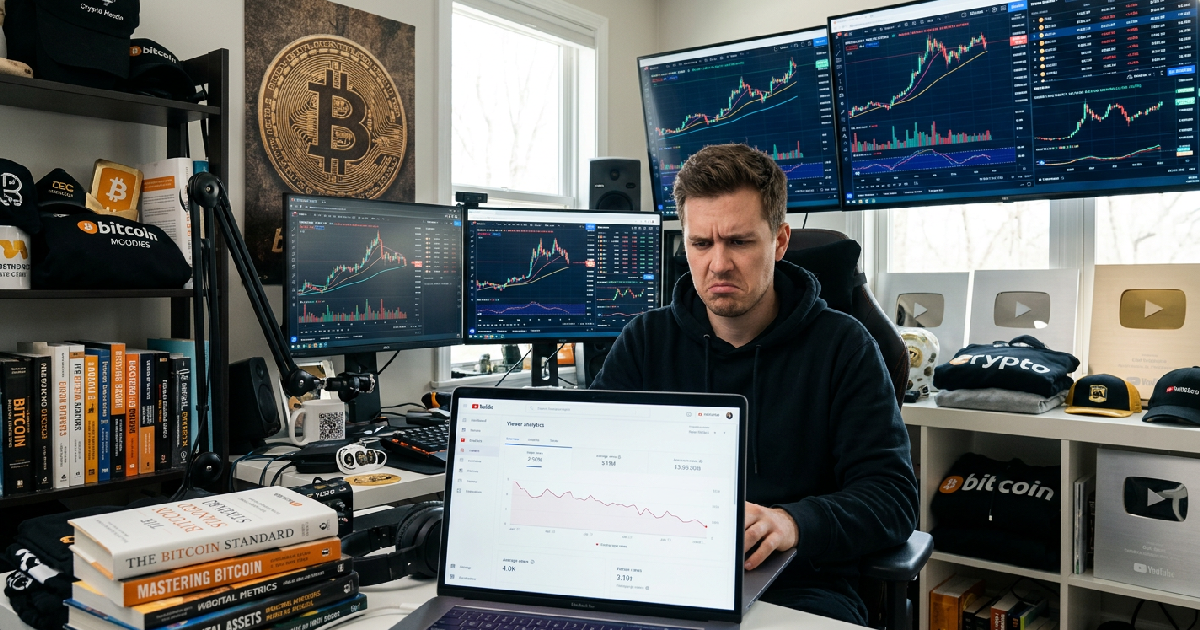
The digital asset media ecosystem is facing a significant contraction as prominent influencers report a sharp decline in audience engagement. Swedish content creator Carl Runefelt, known in the industry as Carl Moon, recently highlighted a structural shift in how the public consumes cryptocurrency content. According to his observations, viewership for his digital media output has dropped considerably, reportedly falling below levels seen during previous market downturns. This trend is particularly notable because it is occurring while major assets like Bitcoin maintain relatively high price valuations, suggesting that market price and retail interest are no longer moving in lockstep.
The current environment suggests a profound disconnect between financial performance and public curiosity. During previous growth cycles, videos from established industry voices frequently reached vast audiences. However, recent trends show those engagement figures have reportedly dwindled to a fraction of their prior peaks. While Bitcoin faces technical resistance near its recent highs, the widespread enthusiasm that characterized previous bull markets appears to have been replaced by a period of relative apathy among retail participants.
The Algorithmic and Social Squeeze on Content Creators
YouTube has long served as a central hub for the digital asset community, but the platform’s relationship with the sector is increasingly fraught. Reports indicate that various platform sweeps have affected the visibility of crypto-focused education, with many creators noting that their content is reaching fewer people. For individuals like Mr. Runefelt, who has been active in the space for several years, the current climate feels fundamentally different from the cooling periods of the past.
The data shared by industry figures suggest a “structural step down” in visibility. On several major platforms, search interest for digital finance topics has remained near yearly lows throughout recent months. The fact that engagement is reportedly lower now than during the deep market troughs of several years ago—despite many channels having larger overall followings today—implies that algorithmic shifts and a more cautious corporate stance from big tech are making it harder for educators to reach a broad audience.
Apathy Replaces Excitement in the Current Market Cycle
Market analysts have observed that this cycle lacks the social intensity seen in previous years. There are indications that while prices have remained high, social risk metrics are appearing “cold,” which often points to a lack of new retail participants entering the market. This scenario suggests that creators are now competing for a stagnant or shrinking pool of existing enthusiasts rather than benefiting from a fresh influx of newcomers.
The decline in digital engagement is mirrored by a broader cooling in the industry’s financial and labor sectors. As ETH traders wait for a lead amid lower activity in derivatives, the recruitment market is also reportedly feeling the strain. Several reports suggest that job openings in the blockchain sector have seen a steep year-over-year decline, leading major exchanges to implement workforce reductions to better align their costs with current revenue streams.
Diversification and the Shift Toward High-Utility Content
In response to the diminishing returns of the traditional crypto influencer model, some entrepreneurs are diversifying their professional focus. Mr. Runefelt, for instance, has reportedly increased his involvement in other areas such as motorsports and music. This strategic pivot reflects a growing reality for digital entrepreneurs who find they can no longer rely on a single, volatile niche for consistent growth. While he remains involved in the sector through investment entities like TheMoon Group, his personal brand is increasingly independent of market fluctuations.
Despite the gloom, some voices in the community view the current silence as a necessary phase. It is argued that a lack of “noise” can provide a more stable foundation for long-term development. From this perspective, the current period represents a transition from hype-driven speculation to a more sober focus on utility and infrastructure. Some firms, for example, are concentrating their efforts on technical solutions like quantum-proof wallets to address long-term security vulnerabilities.
The widening gap between asset prices and social engagement presents a paradox for the industry. For digital assets to achieve further mainstream adoption, the sector must find new ways to re-engage a public that has become increasingly cynical following various high-profile failures and a more stringent regulatory climate. The current trend suggests that price increases alone are no longer sufficient to drive the cultural momentum seen in the past. Moving forward, the crypto media landscape is expected to shift toward specialized information that caters to a more sophisticated audience.

 By Michael Fawn