
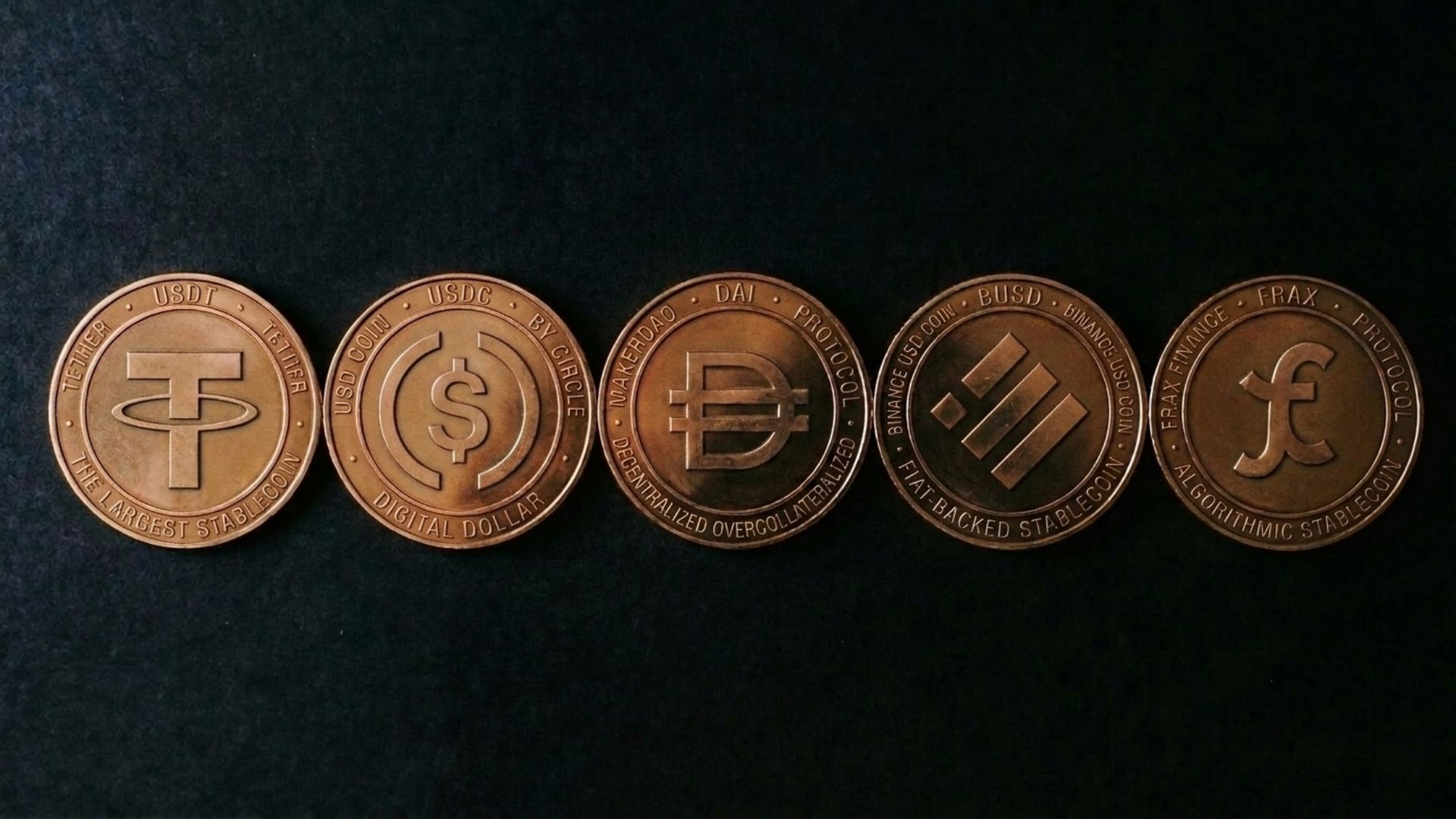

Every paycheck eventually has somewhere to go. Rent. Groceries. Transportation. Bills. Stablecoins can move between wallets in seconds, but a stablecoin paycheck can take a more complicated route before it becomes money an employee can actually spend.
That distinction is becoming more relevant as companies experiment with stablecoin payroll.
Galaxy Payroll Group announced its own service on Sept. 2, with a rollout planned through September. Deel, which already offers stablecoin payouts, updated its employer guidance on Sept. 17, emphasizing that paying workers in stablecoins does not erase existing wage, tax, withholding or reporting obligations.
Neither announcement says how many employees are opting for stablecoins or how much workers might save.
The more interesting question is who absorbs the cost between the employer’s wallet and the employee’s everyday expenses.
A company can use stablecoins behind the scenes while an employee still receives ordinary fiat currency. Or it can send stablecoins directly to the worker, leaving that person to convert the funds into local currency.
On paper, both are stablecoin payroll. In practice, they can feel completely different.
Stablecoin salaries still have to behave like salaries
Crypto does not automatically rewrite employment law.
Employers still need to establish what a worker is owed, which deductions apply, what currency the wage is denominated in and how the payment complies with local rules.
U.S. federal regulations governing minimum wages and overtime under the Fair Labor Standards Act provide one example, referring to cash or a negotiable instrument payable at par.
That does not mean every form of crypto compensation is forbidden. Different rules can apply to additional compensation, independent contractors and workers in other countries.
What it does mean is that an employee agreeing to receive crypto does not, by itself, remove the employer’s existing obligations.
The same question applies to fees.
Imagine a worker is promised $2,000 in take-home pay and receives $2,000 in stablecoins. If converting and withdrawing those tokens costs 1%, the amount ultimately available to the worker becomes $1,980.
The 1% is only an illustration, not a market rate. The underlying issue is straightforward: the cost of turning the token into usable money has to land somewhere.
Stablecoin salaries could still be cheaper than traditional alternatives, particularly for international workers who might otherwise face expensive bank or remittance fees.
But the meaningful calculation is not the blockchain fee alone. It is the total cost of getting paid and getting that payment into a form the worker can use.
That can include withdrawal and conversion charges, as well as less obvious costs embedded in the exchange rate offered during conversion.
There is also currency exposure.
A dollar stablecoin such as USDC is designed to stay close to $1. But an employee may live somewhere where rent, food and transport are priced in another currency. Changes in the dollar’s exchange rate against that local currency can therefore change the local value of the paycheck.
For some workers, that dollar exposure may be useful. For others, it adds another variable to a monthly budget that already has enough moving parts.
And then there is the supposed superpower of speed.
A payment arriving in a wallet within seconds matters most when the recipient can also convert or spend it quickly. If the worker still has to wait hours or days to move the money into local currency, the speed of the blockchain tells only part of the story.
Stablecoin salaries don’t end when the tokens arrive
A normal bank deposit tends to arrive in a form people already know how to use. Stablecoin payments can introduce another layer of infrastructure between receiving money and spending it.
Circle’s USDC terms, for example, distinguish between customers who can redeem USDC directly with Circle and other holders. The terms also address blocked addresses, legal restrictions and mistaken transfers.
So receiving USDC does not necessarily mean an employee can redeem it directly with Circle.
Many workers may instead depend on an exchange or another service to convert the tokens. If that service restricts an account or delays a withdrawal, someone can technically have money in a wallet while being unable to use it.
Taxes add another layer.
The IRS says payment for services in virtual currency is measured in U.S. dollars when received. Crypto paid as wages can also be subject to employment taxes and reporting requirements.
Converting or selling the crypto later can introduce additional recordkeeping. A dollar stablecoin held briefly may create little or no gain or loss, but the worker may still need records showing when the asset was received and when it was disposed of.
The UK’s employment-token guidance similarly covers Income Tax and National Insurance obligations tied to cryptoassets received through employment.
That leaves employers with a much longer checklist than simply sending tokens quickly. Payroll systems have to account for deductions, taxes, conversion costs, records and situations where a worker cannot access or convert a payment.
Stablecoin salaries may still solve real problems. They can potentially make international payments cheaper, move funds faster and give workers access to dollar-denominated money when that is useful.
But the most important moment is not when the transaction appears on a blockchain. It is when the employee can use the money.
For workers, the real measure of payday is not how quickly a stablecoin reaches a wallet. It is how much of that paycheck is actually available when the rent is due.