
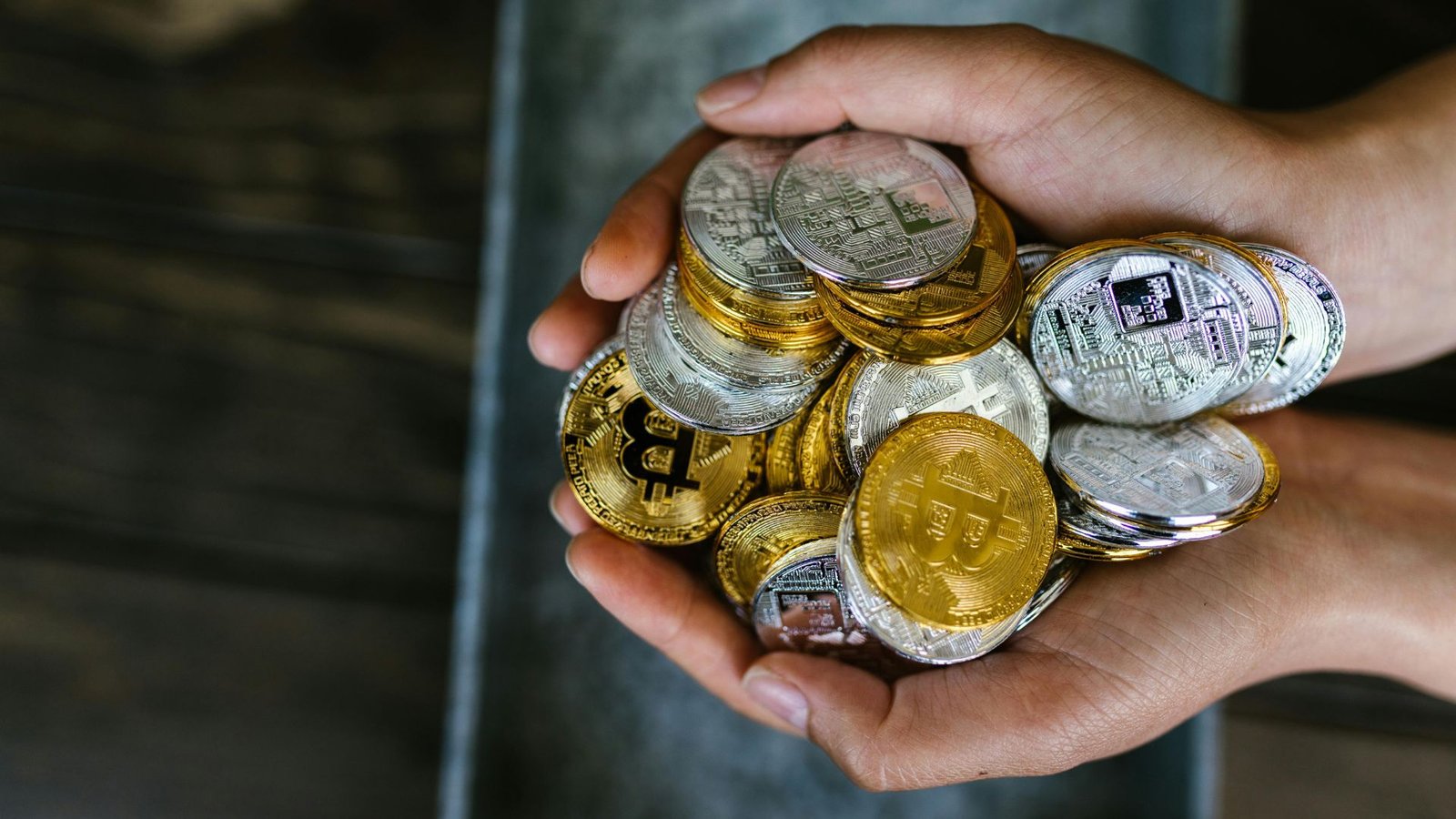

For much of their history, cryptocurrencies have been viewed primarily as investment assets. Bitcoin, Ethereum, and other digital assets attracted millions of investors seeking capital appreciation, portfolio diversification, or exposure to what many considered a revolutionary technology.
However, a recent survey conducted among small and medium-sized businesses in the United Kingdom suggests that a new phase of adoption may be beginning to gain momentum.
According to the study, roughly one in five UK businesses reports seeing demand from customers interested in paying with cryptocurrencies. The finding is significant because it suggests that digital assets may be starting to move beyond the investment sphere and closer to one of their original purposes: serving as a means of payment.
While adoption remains far from mainstream, the growing interest raises an important question for the industry: are cryptocurrencies finally evolving from investment vehicles into money?
Adoption Is Expanding Beyond Investment Use Cases
Since Bitcoin was launched, the idea of a financial system capable of facilitating payments without intermediaries has been at the core of the cryptocurrency movement.
In practice, however, most adoption has taken place on the investment side. Over the years, digital assets have primarily been used as stores of value, speculative instruments, or tools for portfolio diversification.
The survey conducted in the United Kingdom suggests that this dynamic may be starting to change.
The fact that businesses are reporting increased demand for cryptocurrency payments indicates that some consumers no longer view digital assets solely as financial instruments, but also as practical transaction tools.
Although the percentage still represents a minority of the market, it demonstrates that the conversation around blockchain-based payments continues to advance.
The findings are particularly noteworthy because they do not involve crypto-native companies, but rather traditional businesses that interact directly with consumers and are beginning to observe changes in customer preferences.
What Is Driving This Shift?
Several factors help explain the growing interest in cryptocurrency payments.
The industry’s infrastructure has evolved significantly in recent years. Today, there are more digital wallets, payment processors, specialized gateways, and solutions capable of converting cryptocurrencies into traditional currencies almost instantly.
Stablecoins are also playing an important role in this process. Unlike more volatile digital assets, they offer greater price stability, making them more practical for everyday transactions.
At the same time, consumers who are increasingly comfortable with digital services are looking for payment methods that align with habits developed online.
Another important factor is the global nature of cryptocurrencies. Blockchain-based payments can reduce geographical barriers, lower transfer costs, and simplify international transactions.
For companies operating in digital markets or serving customers across multiple countries, these characteristics can provide meaningful competitive advantages.
The Challenge of Becoming Real Money
Despite the progress, experts point out that there is still a significant difference between being a widely traded asset and functioning as money on a large scale. For a currency to be used in everyday life, it must offer predictability, ease of use, and broad acceptance among both merchants and consumers.
Volatility remains one of the biggest challenges for many cryptocurrencies. Few consumers want to spend an asset that could rapidly appreciate in value, while many merchants remain cautious about accepting payments subject to significant price fluctuations.
Regulatory, tax, and operational issues also continue to influence the pace of adoption. For this reason, many analysts believe that the growth of cryptocurrency payments will occur gradually, driven primarily by stablecoins and solutions that simplify conversion into fiat currencies.
Even so, the signals emerging from the United Kingdom suggest that the market may be entering a new phase.
For years, the central question was whether cryptocurrencies could attract investors. Now, the conversation is beginning to shift. In some regions and sectors of the economy, the focus is becoming whether these assets can evolve into a widely accepted payment method.
The answer is not yet definitive. But the fact that businesses are beginning to receive requests from customers who want to pay with cryptocurrencies suggests that the industry may be moving closer to one of its most ambitious goals since Bitcoin’s creation: transforming digital assets into a genuine alternative to traditional money.