
Close Menu
  • Markets
    • Spot Market
      • Market Overview
      • Top Gainers / Losers
      • Market Cap Charts
      • Reviews
    • Futures Market
      • Market Overview
      • Funding Rate
      • Liquidations
      • Long Short/Ratio
  • Metrics
    • Dashboard
    • Whale tracker
    • Market Heatmap
    • Funding Rates
  • News
    • Bitcoin
    • Ethereum
    • Altcoins
  • Prediction
  • Opinion
  • Calendar
  • Live Feed
What's Hot

Google’s DiffusionGemma AI Generates 1,000 Tokens Per Second Free

June 10, 2026

2011 Casascius Bitcoin Linked to Noah Doe Case Cashes Out

June 10, 2026

Coinbase Asks Congress to Treat Stablecoins Like Cash

June 10, 2026

Bitcoin

June 10, 2026

Anthropic CEO Amodei Seeks Power to Block Unsafe AI

June 10, 2026

SpaceX IPO Could Drain Capital from Bitcoin Market

June 10, 2026

Warren Buffett Indicator Hits Record 239%, Signals Maxed U.S. Stock Valuation

June 10, 2026

Anthropic CEO Warns on AI Power While Releasing New Model

June 10, 2026

NYSE Veteran Tuchman: Disciplined Retail Traders Can Beat S&P 500

June 10, 2026

Bitcoin Tests Key Demand Area After Triangle Breakdown

June 10, 2026
Facebook X (Twitter) Instagram
Daily Crypto News
  • Markets
    • Spot Market
      • Market Overview
      • Top Gainers / Losers
      • Market Cap Charts
      • Reviews
    • Futures Market
      • Market Overview
      • Funding Rate
      • Liquidations
      • Long Short/Ratio
  • Metrics
    • Dashboard
    • Whale tracker
    • Market Heatmap
    • Funding Rates
  • News
    • Bitcoin
    • Ethereum
    • Altcoins
  • Prediction
  • Opinion
  • Calendar
  • Live Feed
Dashboard
Daily Crypto News
Home»Opinion»Regulation and Geopolitics Gain Influence in the Crypto Market: What Could the EU’s New Proposal Change?
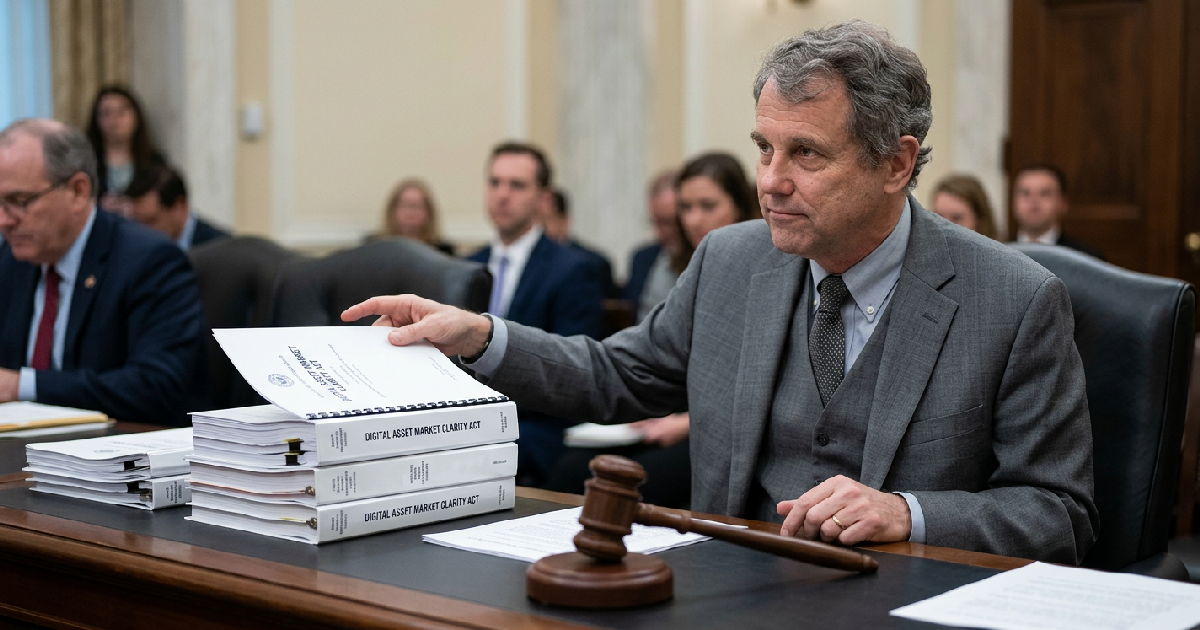
Senate Banking Committee advances Digital Asset Market Clarity Act 15-9
The Senate advances the CLARITY Act as the Banking and Agriculture committees clear key reviews, targeting an August 2026 signing date for crypto regulation.
Opinion

Regulation and Geopolitics Gain Influence in the Crypto Market: What Could the EU’s New Proposal Change?

Diego AlmeidaBy Diego AlmeidaJune 10, 20263 Mins Read
Share
Facebook Twitter LinkedIn Pinterest Email

For years, the cryptocurrency market was primarily associated with technological innovation, decentralization, and speculative investment. However, as digital assets integrate deeper into the global economy, regulatory and geopolitical developments are beginning to exert much greater influence over the sector.

The latest example of this trend comes from the European Union.

The bloc has proposed expanding sanctions against entities accused of helping Russia circumvent international financial restrictions, specifically targeting platforms connected to the cryptocurrency market.

While the measure is designed to enforce economic sanctions, it also highlights how governments and regulators are expanding their oversight to include blockchain infrastructure, exchanges, stablecoins, and digital payment networks.

This shift reinforces a critical transition: cryptocurrencies are no longer viewed solely as an isolated financial matter, but as key components in broader discussions involving national security, foreign policy, and the control of international capital flows.

Why the European Union Is Increasing Oversight of Crypto Platforms

Since the outbreak of the war in Ukraine, Western governments have consistently sought to limit Russia’s access to the global financial system. As blockchain networks and stablecoins have grown in utility, regulators have intensified efforts to monitor potential pathways used to move funds outside traditional banking rails.

The European Union’s latest proposal expands these enforcement mechanisms by targeting digital asset platforms suspected of facilitating sanctions evasion.

The goal is not to restrict cryptocurrencies broadly, but to prevent specific services from being weaponized to bypass restrictions imposed by international organizations.

This initiative aligns with a broader global regulatory movement. In recent years, the United States, the European Union, and several Asian jurisdictions have introduced stringent rules focused on user identification (KYC), anti-money laundering (AML) compliance, and transaction monitoring.

The expansion of these measures demonstrates that regulators are looking far beyond mere retail investor protection. Governments now view stablecoins, liquidity venues, and blockchain networks as critical components of the global financial infrastructure, making them subject to strategic and geopolitical pressures.

What This Means for the Future of the Crypto Market

The immediate impact of the European proposal on the price action of Bitcoin and other major cryptocurrencies is likely to be muted.

However, the measure solidifies a structural trend that could reshape the industry’s landscape.

As digital assets take on a larger role in international settlements, asset tokenization, and cross-border capital transfers, sovereign governments are bound to expand their jurisdiction over market participants considered strategically important.

This process could accelerate the consolidation of institutional-grade, fully compliant exchanges, while platforms operating out of opaque jurisdictions may face mounting, isolating pressure.

The ongoing debate reflects a fundamental shift in how blockchain technology is perceived. For a decade, distributed ledgers were viewed primarily as an alternative, parallel financial system. Today, governments and central banks see this infrastructure as an inseparable part of the global economy.

Consequently, macro forces such as economic sanctions, financial stability, national security, and monetary sovereignty are becoming the primary drivers shaping the crypto industry’s development. More than just another round of compliance checks, the European Union’s proposal underscores that the future of digital assets will be determined not only by technological innovation, but by how global powers choose to integrate this technology into the international financial order.

Compliance crypto regulation European Union Financial Sanctions Geopolitics Global Macro Stablecoin Policy
Share. Facebook Twitter Pinterest LinkedIn Tumblr Email

Related Posts

XRP Defies Market Trend by Attracting Capital to ETFs: What’s Driving the Momentum?

June 10, 2026

After Losing Half Its Value From the Peak, Where Could Bitcoin Find Support?

June 10, 2026

Japan Accelerates Stablecoin Push and Reinforces the Transformation of the Financial System

June 10, 2026

Harris Poll reveals crypto now a key election issue for 1,874 voters

June 10, 2026

Recent Posts

  • Google’s DiffusionGemma AI Generates 1,000 Tokens Per Second Free
  • 2011 Casascius Bitcoin Linked to Noah Doe Case Cashes Out
  • Coinbase Asks Congress to Treat Stablecoins Like Cash
  • Bitcoin
  • Anthropic CEO Amodei Seeks Power to Block Unsafe AI
Top Posts

XRP Defies Market Trend by Attracting Capital to ETFs: What’s Driving the Momentum?

June 10, 2026

After Losing Half Its Value From the Peak, Where Could Bitcoin Find Support?

June 10, 2026

Japan Accelerates Stablecoin Push and Reinforces the Transformation of the Financial System

June 10, 2026

Stay updated with the latest crypto news, market trends, and expert insights. We provide accurate and timely information to help you make better decisions.

Facebook X (Twitter) Instagram Pinterest YouTube
Our Resources
  • About Us
  • Privacy Policy
  • Editorial Policy
  • Legal Disclaimer
  • Contact us
Categories
  • Altcoins
  • Prediction
  • Opinion
  • Guides
  • Reviews
  • Bitcoin
  • Ethereum
Recent Posts
  • Google’s DiffusionGemma AI Generates 1,000 Tokens Per Second Free
  • 2011 Casascius Bitcoin Linked to Noah Doe Case Cashes Out
  • Coinbase Asks Congress to Treat Stablecoins Like Cash
  • Bitcoin
© 2026 Daily Crypto News

Type above and press Enter to search. Press Esc to cancel.